Falling Film Evaporator vs Forced Circulation Evaporator: Key Differences Explained
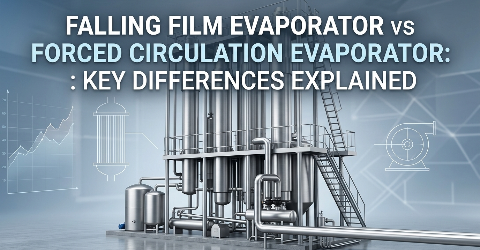
Introduction Evaporation shows up all over food processing, dairy production, pharmaceuticals, chemicals and wastewater treatment. The goal is always the same: remove water or another volatile component and raise the concentration of a liquid product. But products don’t behave the same way once they hit a heated surface. A milk-based product, a fruit juice, a […]
Water Treatment for Dairy Plants: Why It Matters
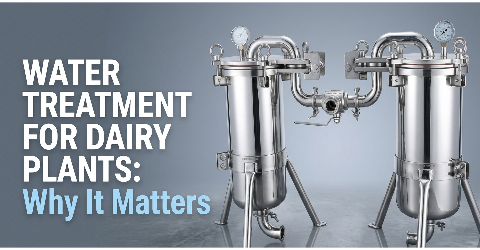
Introduction Water is easy to overlook in dairy processing. Milk is obviously the main raw material, so most attention goes to pasteurizers, homogenizers, fermentation tanks, filling machines, and other production equipment. But water is involved in far more parts of a dairy plant than many people realize. It may be used as a processing ingredient, […]
Why Is Your CIP System Not Cleaning Effectively? 7 Common Causes
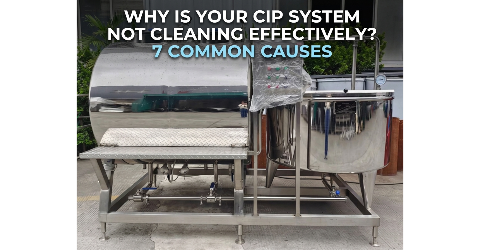
Clean-in-place (CIP) systems are designed to clean tanks, pipelines, heat exchangers, pumps, valves, and other process equipment without dismantling the production line. In dairy, beverage, food, and pharmaceutical processing, a well-designed CIP system can reduce manual cleaning, improve hygiene consistency, and shorten production changeover time. But when a CIP cycle is running and equipment still […]
Buffer Tanks in Dairy Processing: Functions and Sizing Guide
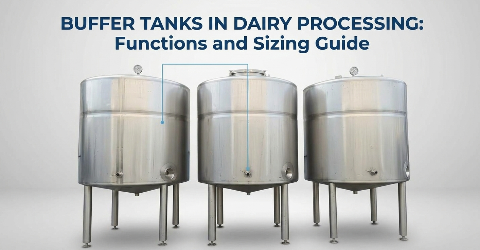
Introduction Milk rarely moves through a dairy plant as one smooth, continuous stream. The pasteurizer runs at a steady rate; the filler works in cycles; fermentation waits for no one, and CIP stops everything. Different stages pull product at different speeds, and some run continuously while others work batch by batch. A buffer tank is […]
UHT Treatment vs Package Sterilization: Which Sterilization Approach Fits Your Beverage Line?
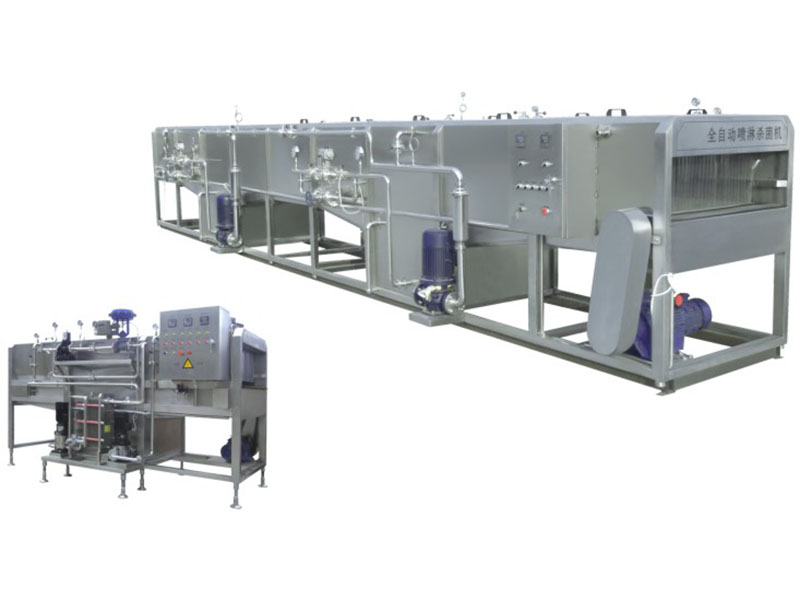
“Sterilization” in a beverage plant can mean two very different things, and confusing them is a common specification mistake. UHT treatment sterilizes the product before it is filled. Package sterilization sterilizes the filled container after sealing. They happen at opposite ends of the line and need very different equipment. This guide clarifies both and helps […]
What Is a Pasteurizer and How Does It Work in Milk Processing?
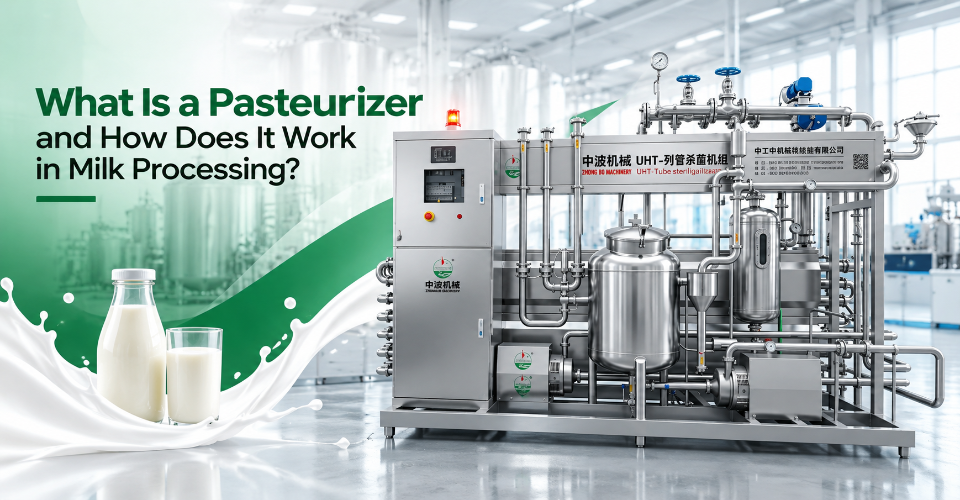
A pasteurizer is the piece of equipment that makes raw milk safe and shelf-stable without sterilizing away its nutrition and flavor. It heats milk to a precise temperature, holds it just long enough to inactivate pathogens and spoilage organisms, then cools it rapidly. In modern dairies this happens continuously, automatically, and under tight temperature control […]
Plate Pasteurizer vs Tubular Pasteurizer: Which One Should You Choose?
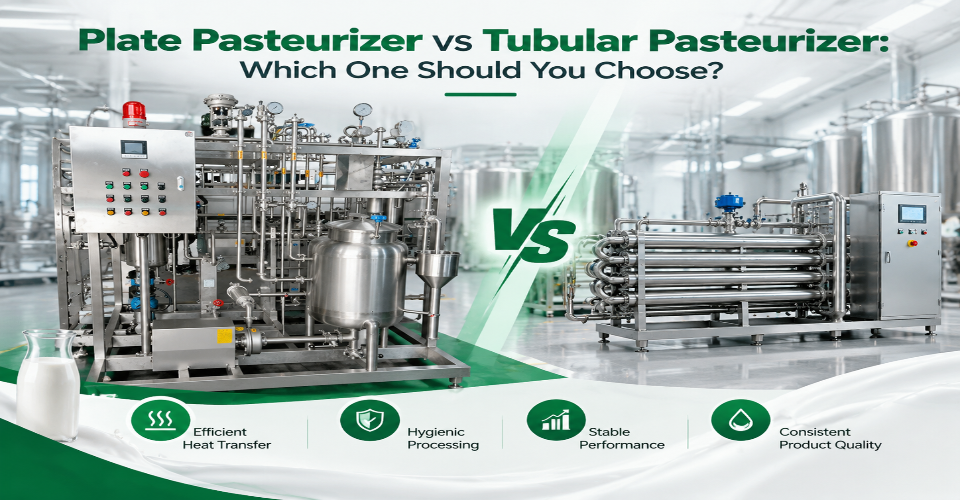
Specifying a pasteurizer is one of the highest-leverage decisions in a dairy or beverage plant. The choice between a plate pasteurizer and a tubular pasteurizer shapes your product quality, your energy bill, your cleaning routine, and how easily you can run particulates or high-viscosity recipes. Both are part of Zhongbo’s HTST & UHT treatment range […]
How to Choose the Right Heat Exchanger for Dairy and Beverage Processing
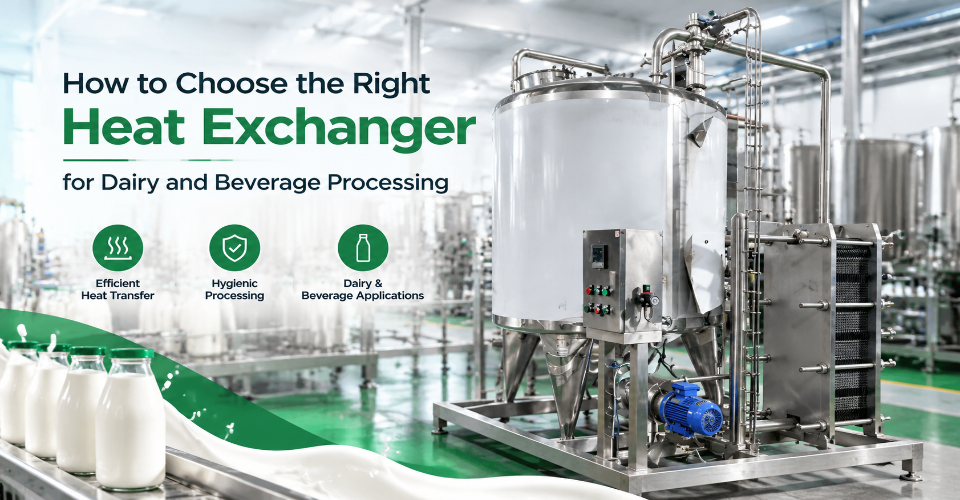
Every dairy and beverage line moves heat as much as it moves liquid. Whether you are pasteurizing milk, heating juice before filling, cooling whey after evaporation, or tempering a plant-based base, the heat exchanger is the component that does the work efficiently — or quietly drains your energy budget. Choosing the wrong type means higher […]
The Ultimate Guide to Deaeration Systems in Dairy and Beverage Processing: Controlling Dissolved Oxygen Before Thermal Treatment
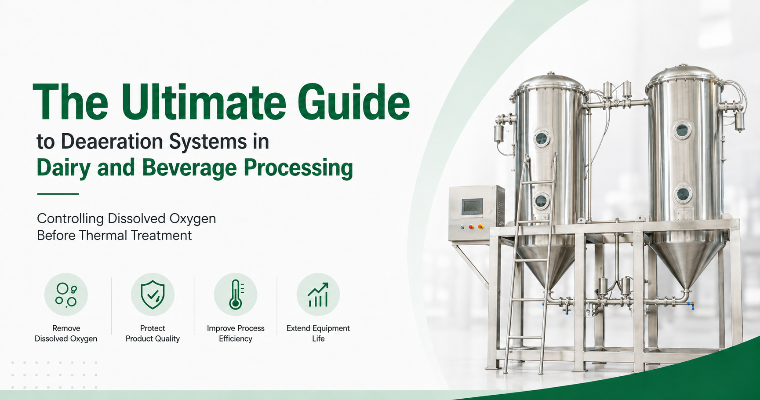
Introduction In dairy and beverage processing, thermal treatment is essential for microbial safety, product stability, and shelf-life extension. However, heating is not the only factor that determines the final quality of a product. Dissolved oxygen and entrained air can also have a significant impact on processing performance and product quality. Oxygen may enter milk, juice, […]
Process Water Treatment for Food and Beverage Plants: Filtration, Softening, and RO System Selection
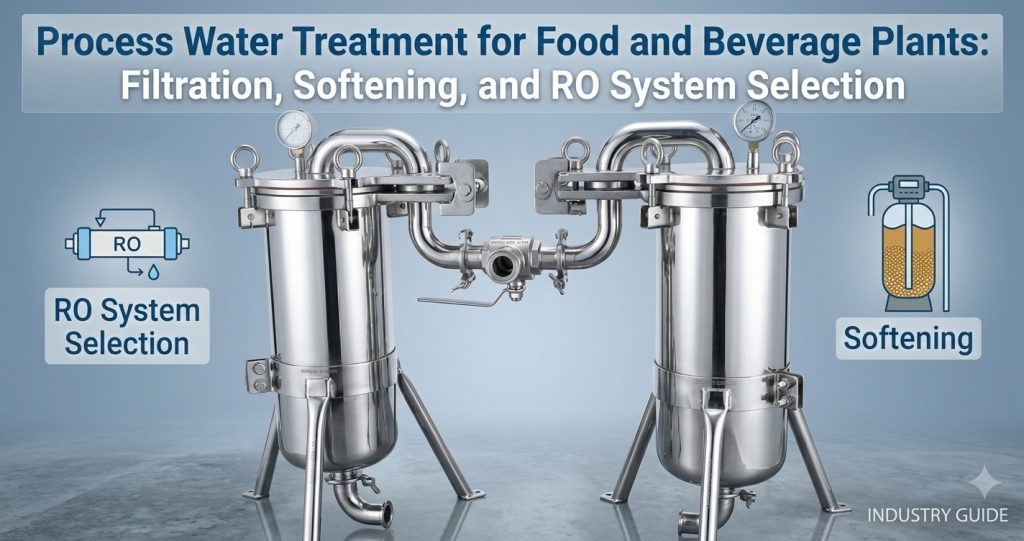
Introduction Water is more than a utility in a food and beverage plant. It can be a direct ingredient, a cleaning medium, a boiler feed source, or an essential part of heating and cooling processes. Because of this, inconsistent water quality can affect product consistency, equipment performance, energy consumption, and sanitation. A properly designed process water […]