

UHT Treatment vs Package Sterilization: Which Sterilization Approach Fits Your Beverage Line?
“Sterilization” in a beverage plant can mean two very different things, and confusing them is a common specification mistake. UHT treatment sterilizes the product before it is filled. Package sterilization sterilizes the filled container after sealing. They happen at opposite ends of the line and need very different equipment. This guide clarifies both and helps you choose — or combine — them.
Zhongbo supplies both sides: HTST & UHT treatment systems that sterilize product, and package sterilization systems that treat the sealed package.
What Is UHT Treatment?
UHT (ultra-high temperature) treatment heats the product to roughly 135–140°C for 2–5 seconds, then cools it and fills it aseptically into a pre-sterilized, sterile package. The product itself becomes commercially sterile, so it stays safe at ambient temperature for months.
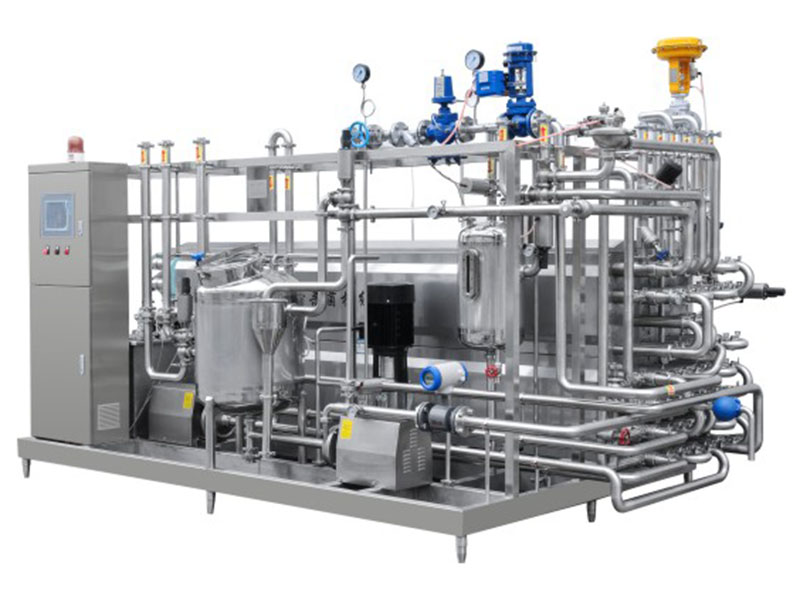
Best for: milk, plant-based drinks, juices, and teas where you want ambient shelf life and a sterile product stream feeding aseptic filling.
What Is Package Sterilization?
Package sterilization treats the container and its contents after filling and sealing. The product may or may not be pre-sterilized; the package (bottle, can, pouch, cup) is exposed to heat, steam, or chemical/UV treatment to kill surviving organisms. Common methods include water-bath and tunnel spray sterilization.
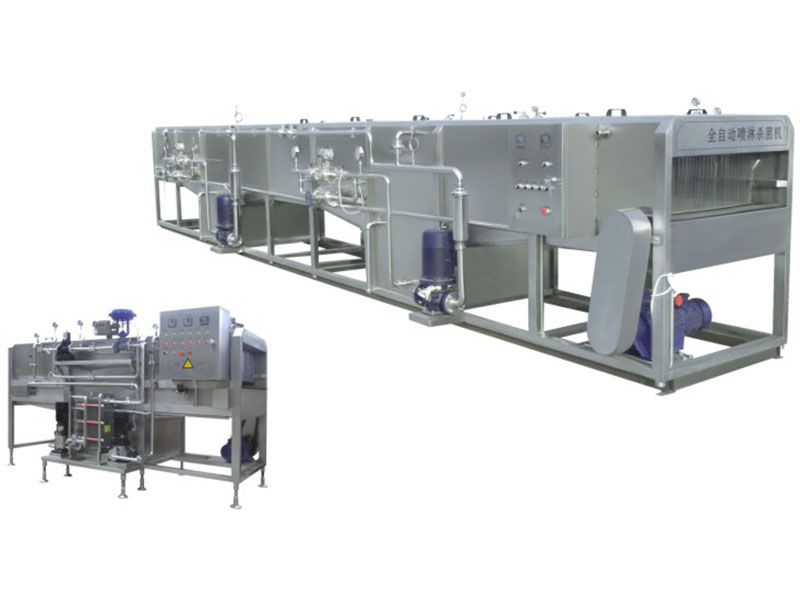
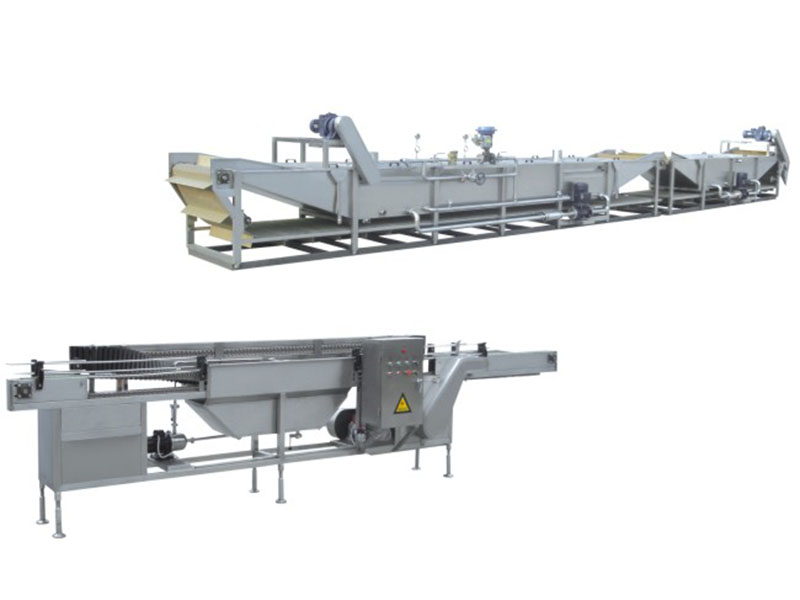
Best for: products filled hot or aseptically into containers that still need a verified kill step on the sealed package — or lines using retort-style post-packaging sterilization.
UHT Treatment vs Package Sterilization: The Difference Table
| Aspect | UHT Treatment (product) | Package Sterilization (container) |
|---|---|---|
| What is sterilized | The liquid product | The filled, sealed package |
| When | Before filling | After filling and sealing |
| Needs aseptic filler? | Yes | No (non-aseptic fill OK) |
| Typical shelf life | Ambient, months | Ambient or chilled (depends) |
| Infrastructure | HTST/UHT unit + aseptic line | Sterilizer tunnel/bath + conveyor |
| Product heat exposure | Brief, intense (seconds) | Longer (minutes, lower T) |
Which Should You Choose?
Choose UHT treatment if…
- You want ambient shelf life from a sterile product.
- You can invest in aseptic filling infrastructure.
- Your product tolerates brief high-temperature exposure (milk, juice, tea, plant-based).
Choose package sterilization if…
- You fill non-aseptically and still need a verified kill on the sealed pack.
- Your package or recipe does not suit aseptic filling.
- You use retort-style or post-fill thermal processes (water bath, tunnel spray).
Use both if…
Premium aseptic lines often sterilize the product (UHT) and sterilize the package material before filling — the cleanest route to long ambient shelf life. The two are complementary, not mutually exclusive.
Frequently Asked Questions
Is UHT the same as package sterilization?
No. UHT sterilizes the product before filling; package sterilization treats the sealed container afterward. They address different contamination points.
Which gives longer shelf life?
Both can deliver ambient shelf life. The result depends on the whole line: a sterile product in a sterile package (UHT + aseptic fill, or product + package sterilization) gives the most robust ambient stability.
Do I need an aseptic filler for UHT?
Yes — UHT product must be filled into a sterile package in a controlled environment, or you lose the benefit. Package sterilization can be used with conventional filling.
Which is cheaper to run?
Package sterilization (tunnel/bath) usually needs less upstream aseptic infrastructure, but uses more energy and water per pack. UHT shifts cost into the aseptic line but recovers energy through regeneration.
Design the Right Sterilization Strategy With Zhongbo
Zhongbo engineers both UHT treatment and package sterilization systems, and can combine them into a single validated line. Share your product, target shelf life, and filling method, and we will recommend the configuration that meets your food-safety and cost targets.