
Industrial Evaporator Selection Guide: Falling Film vs. Forced Circulation vs. Scrape Film Evaporator
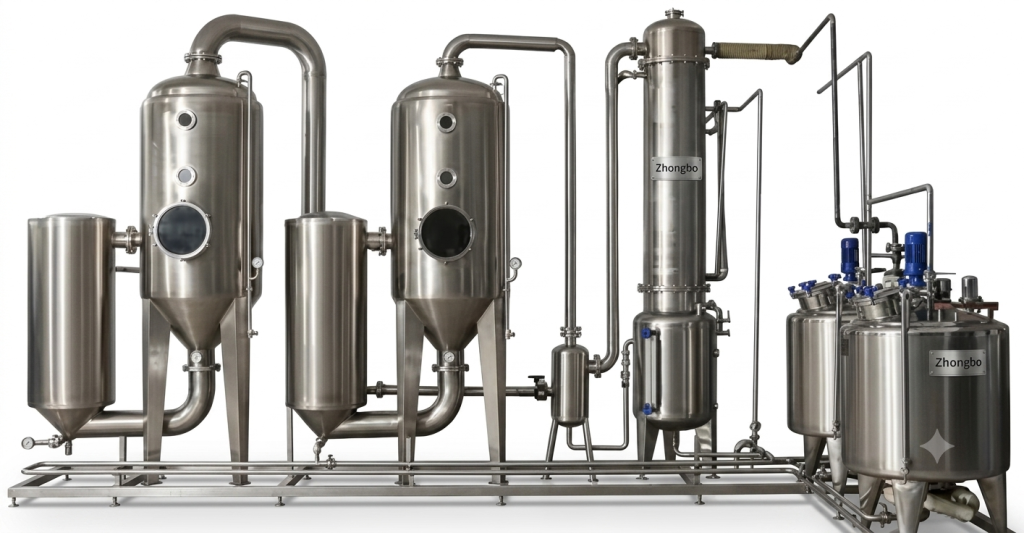
Introduction In the industrial processing sectors—spanning food, beverage, pharmaceuticals, chemicals, and environmental wastewater management—thermal concentration is an essential operational stage. However, procurement managers and chemical plant engineers frequently face a critical dilemma: selecting the exact thermal separation architecture that aligns with their specific fluid dynamics. Choosing the wrong evaporator design can be an incredibly costly […]
The Ultimate Guide to Falling Film Evaporators in Solvent Extraction and Ethanol Recovery
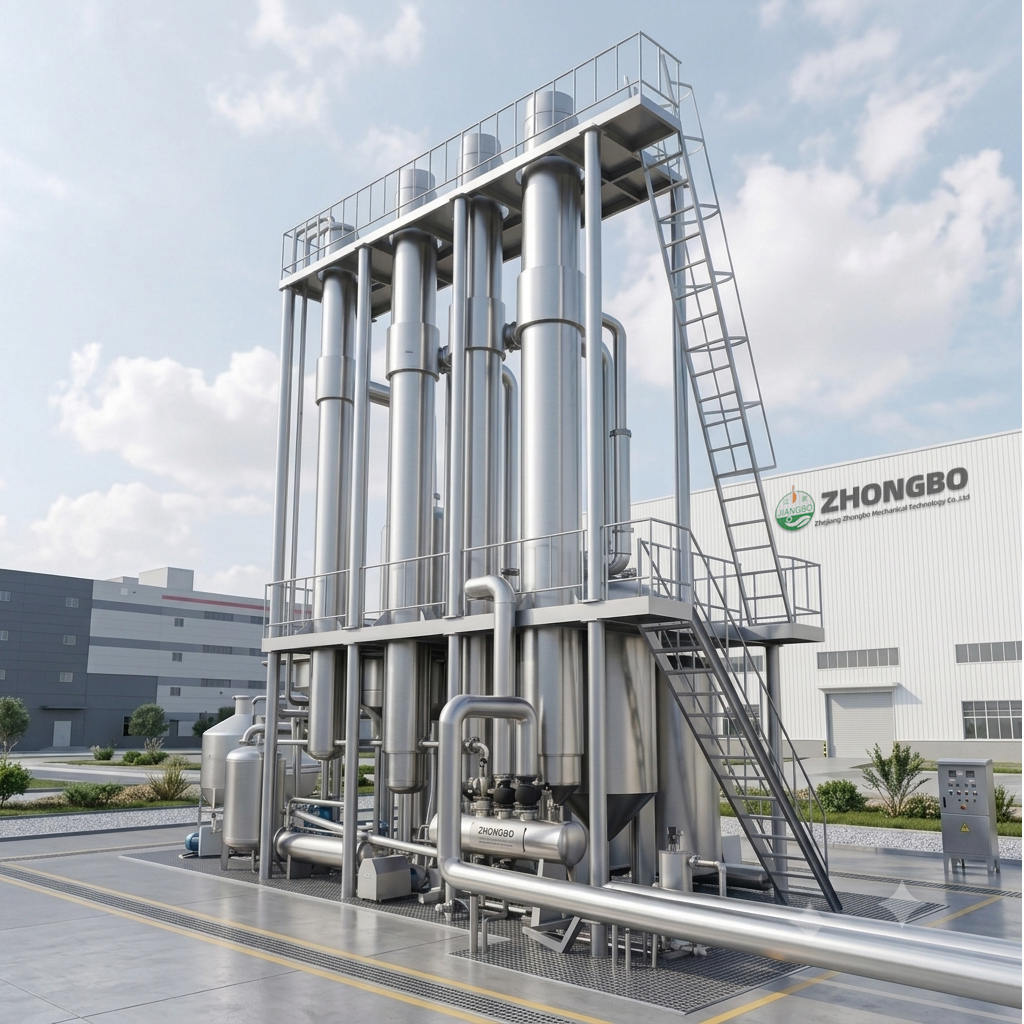
Introduction In the fast-growing botanical, chemical, and pharmaceutical sectors, commercial scalability depends entirely on operational efficiency. High-volume processing workflows rely heavily on volatile solvents—such as ethanol, hexane, or methanol—to isolate target compounds from raw biomass. However, continuously purchasing fresh solvents and managing massive hazardous waste streams can quickly erode a processing plant’s profit margins. To […]
The Ultimate Guide to Indirect UHT Sterilizers: Maximizing Efficiency in Dairy and Beverage Production
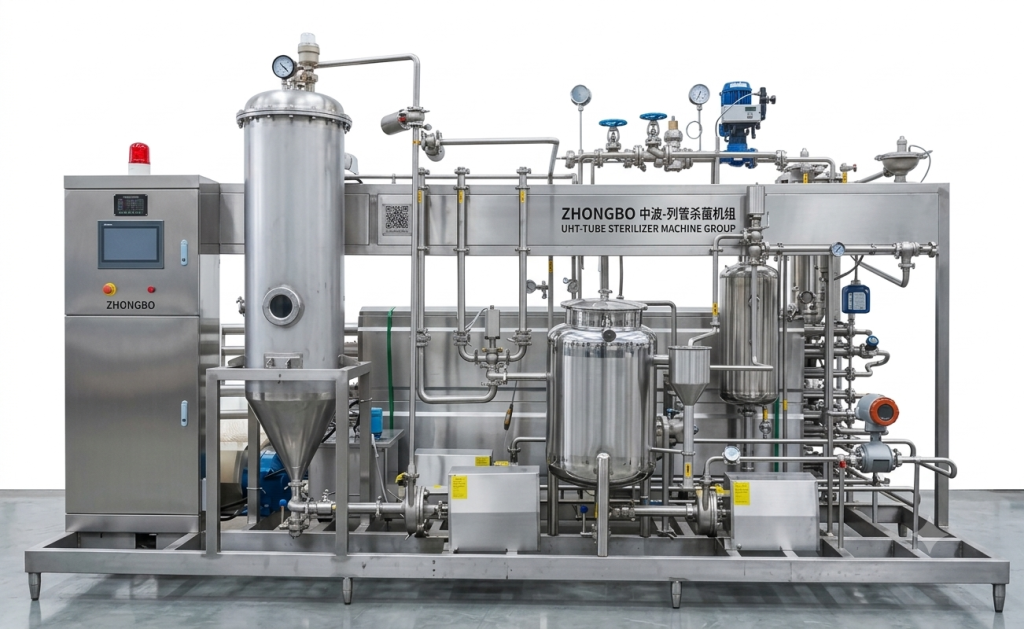
Introduction In the competitive landscape of the global food and beverage industry, processing lines must balance two massive priorities: ensuring absolute biological safety and extending product shelf life, all while preserving the natural taste and nutritional profile of the liquid. For commercial dairies, juices, and plant-based beverage producers, achieving this balance centers entirely on an […]
The Ultimate Guide to Scrape Film Evaporators: Mastering High-Viscosity and Heat-Sensitive Concentration
Introduction In the competitive landscape of food, pharmaceutical, and chemical manufacturing, the ability to process “difficult” materials is a game-changer. Conventional evaporation often fails when liquids are either highly viscous or extremely sensitive to heat, leading to product fouling and thermal degradation. To solve these bottlenecks, industry leaders turn to the Scrape Film Evaporator (SFE)—also […]
The Role of Multi-Effect Evaporation in Sustainable Concentration Processes
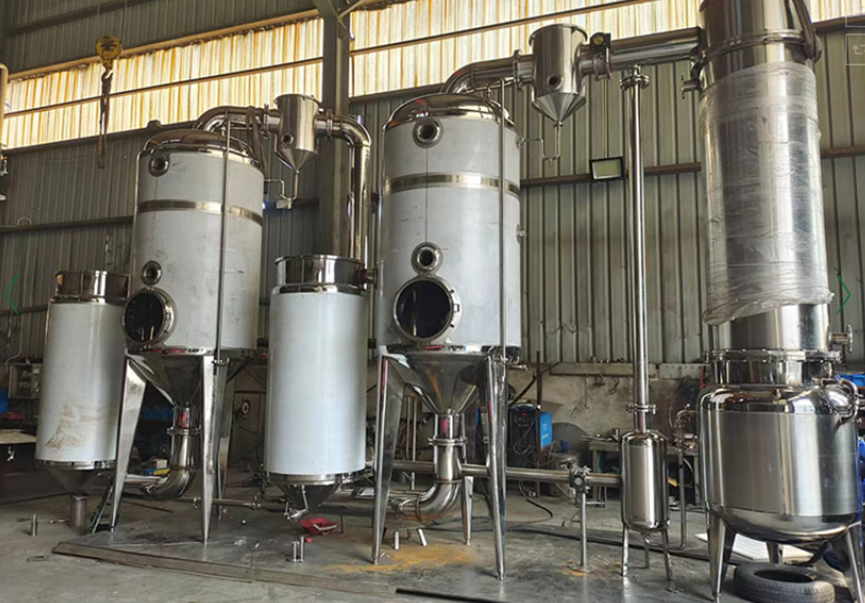
Multi-effect evaporation revolutionizes sustainable concentration by reusing thermal energy, cutting energy use up to 75%, reducing emissions, and maintaining product quality across industrial applications.
Controlling Foam and Scaling in Evaporation and Concentration Processes
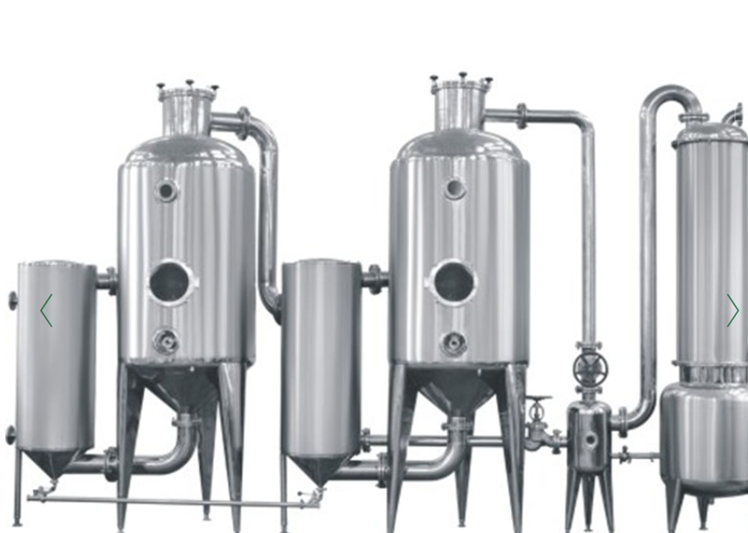
Foam and scaling disrupt evaporation/concentration processes, lowering efficiency and product quality. This guide shares practical tips to control foam, reduce scaling, prevent fouling, and optimize system performance.
HTST & UHT for Juices: Sterilization & Flavor Balance
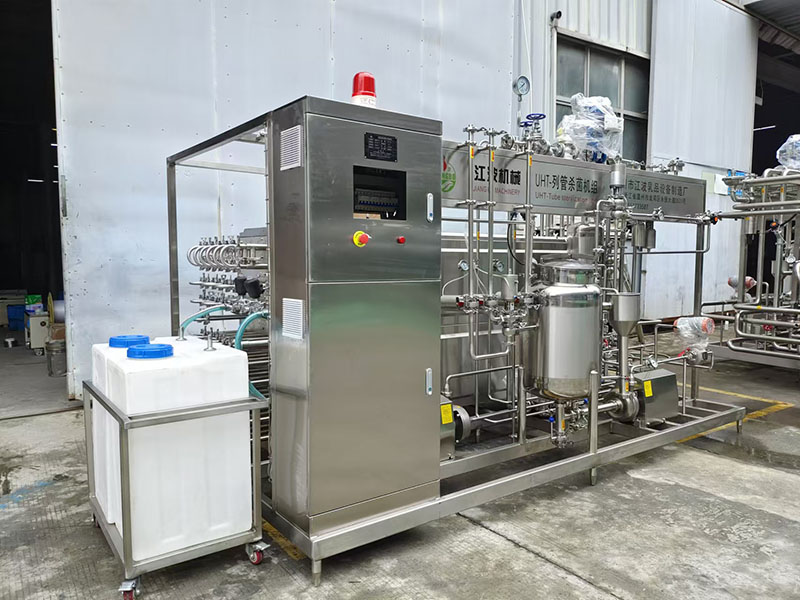
HTST and UHT are key for juice sterilization, balancing safety and shelf life without sacrificing flavor. This guide details their differences, optimization tips, and how to maintain fresh juice taste.
Matching HTST & UHT with Packaging for Longer Shelf Life
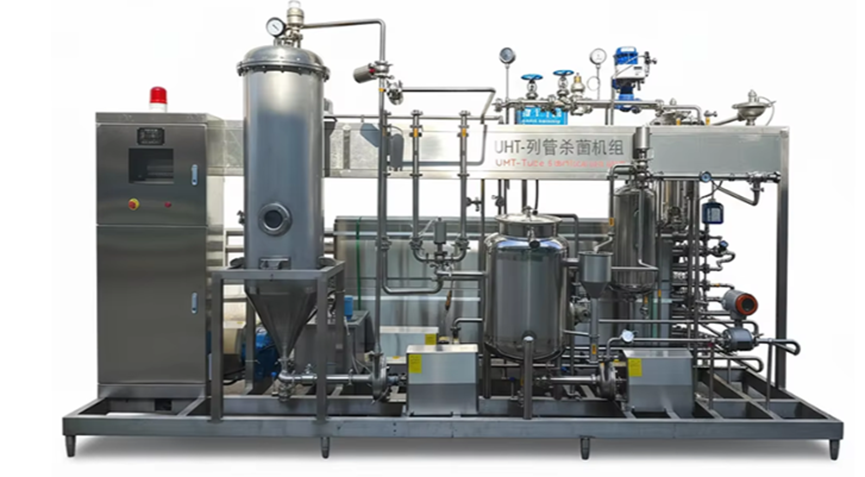
For liquid foods, HTST and UHT pasteurization alone aren’t enough for long shelf life—matching them with the right packaging is critical. This guide details how to pair HTST (refrigerated) and UHT (ambient) with compatible packaging to ensure safety and extend shelf life by 20%-50% or more.
How to Minimize Product Loss in Liquid Evaporation Processes
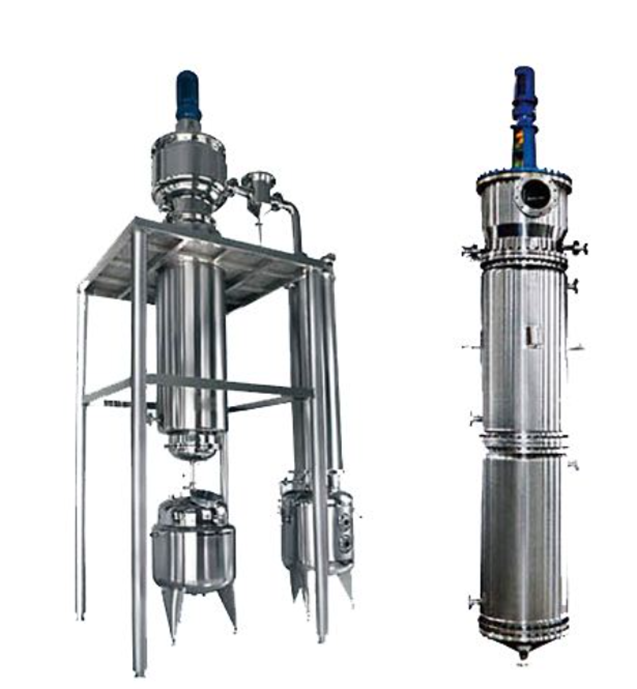
Tired of costly product loss during liquid evaporation? This guide breaks down root causes (entrainment, residue, cross-contamination) and actionable fixes to boost yields and protect profits.
How to Select Evaporation Systems for Heat-Sensitive Food Liquids
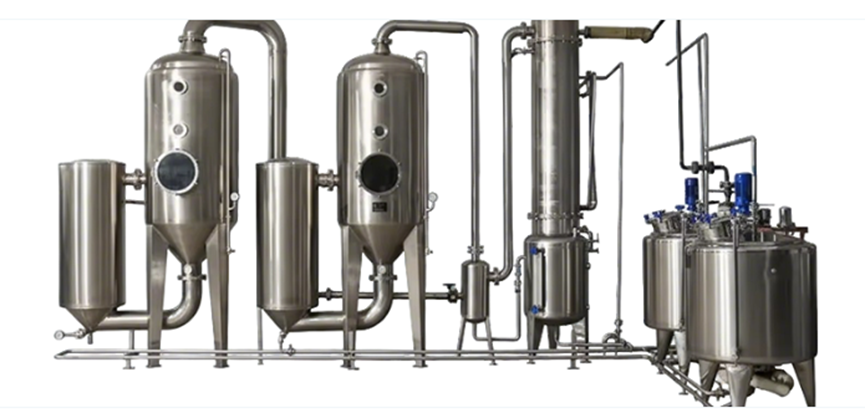
Struggling to select evaporators for heat-sensitive food liquids? This guide breaks down system types, selection steps and best practices to preserve quality, comply with rules and boost efficiency.