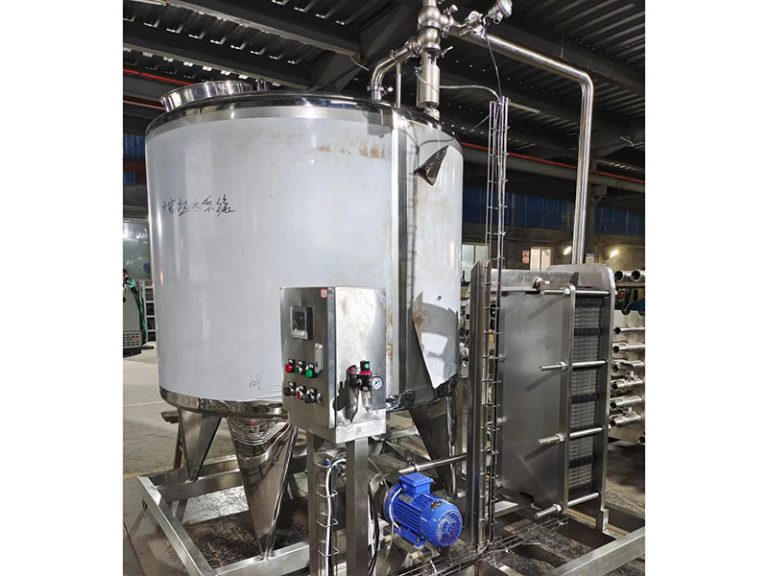
In today’s industrial landscape, sustainability and efficiency are no longer optional—they are essential to long-term operational success. Across food and beverage, pharmaceuticals, dairy, and wastewater sectors, evaporation and concentration remain one of the most energy-intensive stages of production. For businesses aiming to cut emissions, lower utility costs, and meet global green targets, multi-effect evaporation has emerged as a transformative solution.
This article explores how multi-effect systems redefine evaporation and concentration process performance, deliver exceptional energy savings, and support eco-friendly operations across high-demand industries.
Introduction
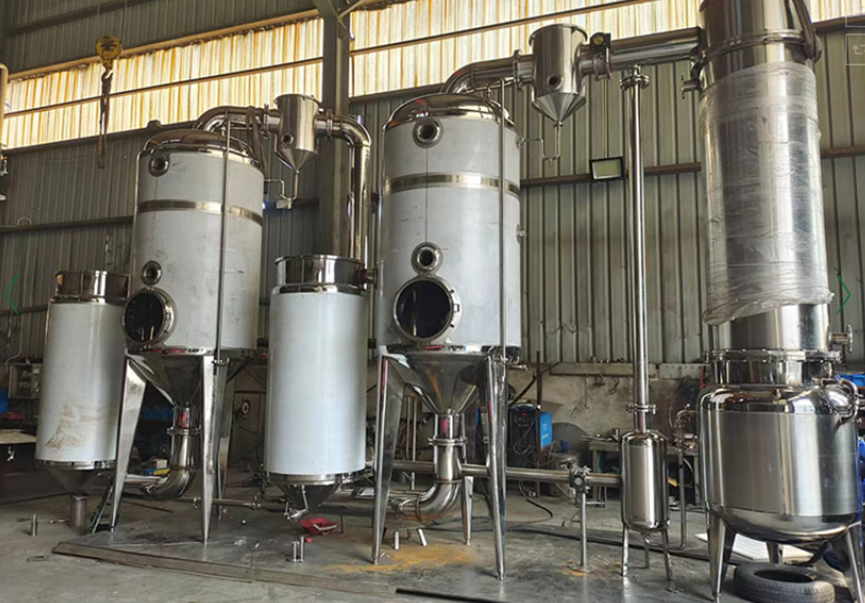
Traditional single-effect evaporators use fresh steam for every evaporation stage, resulting in high energy waste, increased carbon footprint, and inflated operational costs. Multi-effect evaporation changes this by reusing thermal energy across connected stages, making it one of the most efficient choices for modern evaporation and concentration systems.
As regulations tighten and consumers demand greener production, understanding how multi-effect evaporation supports sustainable concentration processes has become critical for plant managers, engineers, and sustainability leaders.
What Is Multi-Effect Evaporation & Core Principles
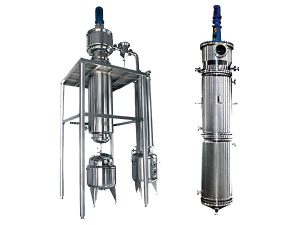
Multi-effect evaporation uses a sequential cascade of evaporator units called “effects.” Each stage operates at a progressively lower pressure and temperature. The vapor produced in the first effect becomes the heating medium for the next, recycling heat that would otherwise be lost.
This cascading heat reuse is the foundation of its efficiency. Instead of consuming steam for each effect, the system uses one primary steam input to power multiple stages.
Multi-Effect in Evaporation and Concentration Process
Multi-effect technology integrates seamlessly into large-scale production, improving both control and consistency.
Industrial Evaporation with Multi-Effect Systems
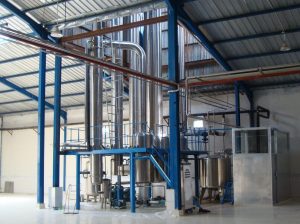
Industrial Evaporation relies on stable heat transfer and high throughput. Multi-effect systems handle large liquid volumes with minimal energy input, making them ideal for continuous operations such as juice concentration, whey processing, and sugar syrup production.
Industrial Concentration Technology Basics
Industrial Concentration increases solid content by removing water. Multi-effect units maintain gentle heating conditions, protecting heat-sensitive ingredients while achieving high concentration ratios—critical for quality in food, dairy, and plant-based products.
6 Benefits of Multi-Effect Evaporation in Industry
The benefits of multi-effect evaporation in industrial concentration extend far beyond energy savings:
Drastically reduced steam and power consumption
Lower carbon emissions and improved sustainability ratings
Consistent product quality with gentle thermal treatment
Scalable design for growing or fluctuating production
Lower long-term operational and maintenance costs
These advantages make it a top choice for high-volume, quality-critical industries.
Reduce Energy Use in Evaporation & Concentration
A key advantage is the ability to reduce energy use in evaporation and concentration with multi-effect systems.
Each additional effect reduces energy demand significantly:
2-effect system: ~50% energy reduction
3-effect system: ~65% energy reduction
4-effect system: ~75% energy reduction
By reusing latent heat, plants cut utility spending while supporting green initiatives.
| System Configuration | Approx. Energy Reduction | Key Sustainability Impact |
| Single-Effect Evaporator | 0% (Baseline) | High energy waste and inflated operational costs. |
| 2-Effect System | ~50% Reduction | Significant drop in steam and power consumption. |
| 3-Effect System | ~65% Reduction | Lower carbon emissions and improved green ratings. |
| 4-Effect System | ~75% Reduction | Maximum thermal efficiency; aligns with global ESG targets. |
How Multi-Effect Supports Sustainable Concentration
Sustainability depends on resource efficiency, and multi-effect technology delivers on all fronts:
Lower fossil fuel use reduces greenhouse gas emissions
Less wastewater volume supports circular economy goals
Longer production runs reduce cleaning chemical usage
Higher thermal efficiency lowers overall plant carbon footprint
In short, it aligns production with global ESG targets.
Multi-Effect Evaporation in Food Processing Plants
multi-effect evaporation applications in food processing plants are widespread and high-impact:
Dairy: milk, whey, lactose, and protein concentration
Beverages: fruit juices, coffee extract, tea concentrates
Sweeteners: glucose syrup, honey, molasses
Plant-based: soy protein, oat milk concentrate, vegetable purees
The gentle, efficient heating preserves flavor, color, and nutrition while boosting shelf life.
Sustainable Liquid Concentration Equipment Solutions

Modern sustainable liquid concentration equipment with multi-effect technology includes:
Falling-film multi-effect units for heat-sensitive products
Forced-circulation designs for high-viscosity or fouling-prone liquids
Hygienic, food-grade stainless steel construction
Automated control systems for optimized energy use
Compact layouts for space-limited facilities
These features ensure performance, safety, and sustainability in one package.
How to Choose Multi-Effect Concentration Systems
When selecting a multi-effect system, consider:
Daily processing volume and concentration ratio
Product viscosity, heat sensitivity, and fouling tendency
Target energy savings and sustainability goals
Plant space, utility access, and operational budget
Compatibility with existing Liquid Concentration Equipment
The right configuration balances efficiency, reliability, and long-term value.
FAQs
How much energy can multi-effect systems save?
Up to 75% compared to single-effect evaporators, depending on the number of effects.
Is multi-effect suitable for heat-sensitive foods?
Yes, falling-film multi-effect designs provide low-temperature, gentle processing.
Can these systems handle high-fouling liquids?
Forced-circulation multi-effect units resist scaling and fouling effectively.
Which brand provides reliable multi-effect concentration systems?
JIANGBO offers energy-efficient, industrial-grade multi-effect solutions for food and processing applications.
Conclusion
Multi-effect evaporation has redefined what’s possible in evaporation and concentration, delivering industry-leading energy efficiency, consistent product quality, and measurable sustainability gains. By reusing thermal energy across stages, it drastically lowers emissions, cuts operational costs, and supports green production goals.
From Food Processing Plants to large-scale industrial facilities, multi-effect systems prove that sustainable operations and high-performance production can go hand in hand. Trusted equipment providers like JIANGBO design systems that maximize efficiency while protecting product integrity.
If you’re ready to reduce energy use, lower your carbon footprint, and upgrade your concentration process, consult a trusted manufacturer to customize a multi-effect solution tailored to your plant’s needs.