Introduction
Choosing the right beverage filling method directly affects product safety, shelf life, packaging requirements, and production cost. Two widely used approaches are hot fill and aseptic cold fill.
Hot fill uses elevated product temperatures to control microorganisms before the beverage is filled into suitable containers. Aseptic cold fill, by contrast, sterilizes the product and packaging separately and then brings them together in a controlled aseptic environment.
Neither method is universally better. The right choice depends on the beverage formulation, thermal sensitivity, package type, target shelf life, production capacity, and investment level.
This guide compares hot fill and aseptic cold fill to help beverage manufacturers select the appropriate packaging process.
What Is Hot Fill and How Does It Work?
Hot filling involves heating the beverage to a specified temperature for microbial control and then filling the hot product into compatible containers.
A simplified process is:
Product Preparation → Heat Treatment → Hot Filling → Sealing → Cooling
After filling, the product and package may undergo controlled cooling. The combination of thermal treatment and hot filling helps reduce microbial contamination and supports shelf stability.
Hot fill is commonly used for products such as:
- Fruit juices
- Juice drinks
- Acidic beverages
- Sauces and liquid foods
- Tea-based beverages
The exact processing temperature and holding time depend on the product formulation, acidity, microbial requirements, and packaging system.
One important advantage of hot fill is its relatively straightforward process configuration. It can be suitable for manufacturers looking for a reliable solution without the complexity of a fully aseptic cold-filling environment.
What Is Aseptic Cold Fill and How Does It Work?
Aseptic cold fill separates sterilization from filling.
The beverage is first subjected to an appropriate thermal treatment, such as UHT or another validated sterilization process. Meanwhile, the package is sterilized separately. The sterilized product is then filled into the sterilized container within a controlled aseptic environment.
The process can be summarized as:
Product Sterilization → Package Sterilization → Aseptic Filling → Sealing
Unlike conventional hot filling, the product does not necessarily need to remain at a high filling temperature.
Aseptic cold filling can therefore be advantageous for products that are sensitive to prolonged heat exposure.
Typical applications include:
- Milk and dairy beverages
- Plant-based beverages
- Nutritional beverages
- Juice and tea products
- Long-life beverages
Because the product, package, filling environment, and sealing process must all be controlled, aseptic cold filling generally requires a more sophisticated production system.
Hot Fill vs. Aseptic Cold Fill: Key Differences
Sterilization and Microbial Control
Hot fill relies heavily on thermal treatment and controlled hot filling to achieve microbial control.
Aseptic cold fill uses separate sterilization of the product and package, followed by filling under aseptic conditions.
Therefore:
Hot Fill: Thermal treatment + hot filling
Aseptic Cold Fill: Product sterilization + package sterilization + aseptic filling
The appropriate process should be validated according to the product, package, and required shelf-life conditions.
Product Quality and Shelf Life
The major advantage of aseptic cold filling is the potential to reduce unnecessary thermal exposure after sterilization.
For heat-sensitive products, excessive thermal treatment can affect:
- Flavor
- Color
- Aroma
- Nutrients
- Freshness characteristics
Hot filling can provide excellent shelf stability, but the product may experience greater thermal exposure depending on the process.
Aseptic cold fill can therefore be attractive for products where maintaining sensory quality is a priority.
However, shelf life depends on the entire system, including product formulation, sterilization process, package barrier properties, filling hygiene, sealing, and storage conditions.
Packaging Requirements
Packaging is another major difference.
Hot-filled products require containers that can tolerate the filling temperature and associated thermal stresses. The package must maintain its shape and sealing performance during filling and cooling.
Aseptic cold filling provides more flexibility for some heat-sensitive packaging materials because the final filling temperature can be lower.
However, aseptic packaging requires reliable package sterilization before filling. The packaging material must therefore be compatible with the selected sterilization method, such as hydrogen peroxide, heat, or other validated technologies.
The package should be selected together with the filling method rather than independently.

Energy Consumption and Production Cost
Hot fill generally has a simpler process architecture, which can make it attractive for certain applications with moderate production requirements.
Aseptic cold fill typically requires more sophisticated equipment, including:
- UHT or sterilization equipment
- Package sterilization equipment
- Aseptic filling equipment
- Controlled aseptic zones
- Automated monitoring and control systems
This can increase initial capital investment and system complexity.
However, equipment cost should not be the only consideration. Manufacturers should also evaluate energy consumption, product losses, package costs, production speed, cleaning requirements, and the commercial value of extended shelf life and improved product quality.
Which Filling Method Is Right for Your Beverage?
Hot Fill Applications and Continuous Spray Tunnel Pasteurization
Hot fill is often suitable for acidic beverages and products that tolerate elevated filling temperatures.
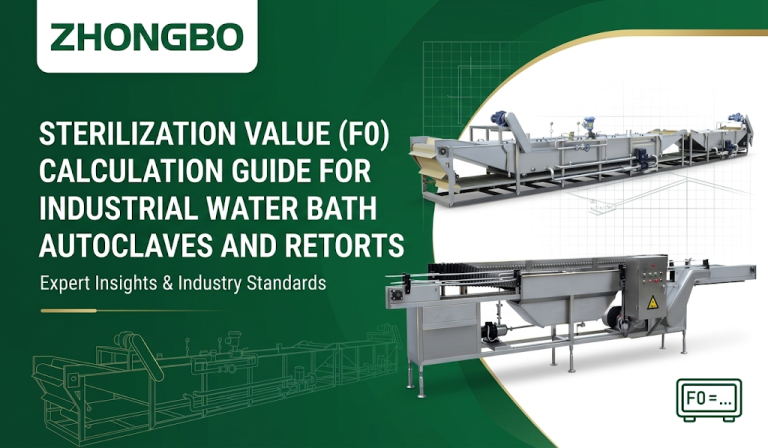
For high-volume production, continuous spray tunnel pasteurization can be integrated with the packaging process to provide controlled thermal treatment after filling.
A typical configuration is:
Filling → Sealing → Continuous Spray Tunnel → Cooling → Packaging
The spray tunnel uses controlled water spraying and temperature zones to gradually heat or cool containers. This helps provide consistent thermal treatment while supporting continuous production.
It can be particularly useful when manufacturers need:
- Continuous processing
- Controlled product/package temperature
- Consistent pasteurization conditions
- Automated conveyor operation
- Integration with downstream packaging
The exact tunnel configuration should be designed according to container material, product characteristics, production speed, and required thermal process.
Aseptic Cold Fill Applications
Aseptic cold filling is particularly suitable when the product requires high microbiological stability while minimizing unnecessary heat exposure.
It can be considered for:
- Dairy beverages
- Plant-based milk
- Nutritional drinks
- Heat-sensitive beverages
- Long-shelf-life products
The process requires strict control of both package and product sterility.
Compared with hot fill, aseptic cold fill generally involves a more complex production environment, but it can provide advantages for products where sensory quality and long ambient shelf life are important.
Choosing Based on Product and Packaging
A practical selection process should consider:
| Factor | Hot Fill | Aseptic Cold Fill |
| Process complexity | Lower | Higher |
| Filling temperature | High | Lower |
| Heat-sensitive products | Less suitable | More suitable |
| Package requirements | Heat-resistant package | Sterilizable package |
| Initial investment | Generally lower | Generally higher |
| Aseptic control | Lower complexity | Strict |
| Typical applications | Acidic beverages, juices | Dairy, plant-based, nutritional beverages |
The final choice should be based on the complete product and packaging system rather than filling temperature alone.
Zhongbo Tunnel Spray Sterilizer for Hot Fill Lines
Zhongbo provides a Tunnel Spray Sterilizer designed for continuous thermal treatment of packaged products.

The tunnel configuration allows containers to move continuously through controlled spray and temperature zones, making it suitable for integration into automated beverage processing lines.
For manufacturers using hot-fill processes, tunnel spray sterilization/pasteurization can be incorporated after filling and sealing to provide controlled thermal treatment while maintaining continuous production.
Zhongbo also provides Package Sterilization Systems for applications where package sterilization is required as part of an aseptic filling process.
Conclusion
Hot fill and aseptic cold fill are both established approaches for producing shelf-stable beverages, but they solve different processing challenges.
Hot fill offers a relatively straightforward thermal process and is well suited to many acidic beverages and heat-tolerant products. Aseptic cold fill provides greater control over thermal exposure and can be advantageous for dairy, plant-based, nutritional, and other heat-sensitive beverages.
The right choice depends on:
- Beverage formulation
- Thermal sensitivity
- Target shelf life
- Package material
- Production capacity
- Equipment investment
- Required microbial control
For hot-fill production lines requiring continuous thermal treatment, a Zhongbo Tunnel Spray Sterilizer can be integrated into the downstream packaging process.
FAQs
- What is the main difference between hot fill and aseptic cold fill?
Hot fill fills the beverage at an elevated temperature, while aseptic cold fill sterilizes the product and package separately before filling them together in an aseptic environment.
- Is hot fill suitable for fruit juice?
Yes. Hot fill is commonly considered for acidic fruit juices and juice beverages that can tolerate the required thermal conditions.
- Is aseptic cold fill better for milk?
Aseptic processing is commonly used for shelf-stable milk and dairy beverages because it can combine commercial sterilization with controlled aseptic filling while limiting unnecessary heat exposure after sterilization.
- Which method has a lower initial investment?
Hot-fill systems generally have a lower process complexity and can require less specialized equipment than a complete aseptic cold-filling line. Actual investment depends on production capacity and equipment configuration.
- What packaging is suitable for hot filling?
Hot-fill packaging must withstand the product’s filling temperature and thermal stresses during subsequent cooling. PET, glass, and other heat-compatible packaging may be used depending on the product and process.
- What is a tunnel spray sterilizer used for?
A tunnel spray sterilizer uses controlled spray and temperature zones to thermally treat packaged products continuously. It can be integrated into hot-fill beverage production lines for controlled post-filling thermal processing.
- Which filling method gives better product quality?
There is no universal winner. Aseptic cold fill can offer advantages for heat-sensitive products, while hot fill can provide effective processing with a simpler system for suitable beverages.
- How do I choose between hot fill and aseptic cold fill?
Evaluate the beverage’s thermal sensitivity, acidity, target shelf life, package material, production capacity, microbial requirements, and total processing cost before selecting the filling method.