
Dairy & Beverage Plant Piping Specs: Wall Roughness (Ra), Slope, and L/D Dead-Leg Limits
Introduction In a dairy or beverage plant, the process pipework is easy to overlook because it carries product silently between the headline machines. Yet the pipe finish, slope, and geometry of dead-legs decide whether the line can be cleaned in place and whether it harbors bacteria that the pasteurizer downstream cannot fix. This guide covers […]
Sterilization Value (F0) Calculation Guide for Industrial Water Bath Autoclaves and Retorts
Introduction Shelf-stable food and beverage products rely on a documented lethal dose of heat, not just a temperature setpoint. That dose is expressed as F0, the equivalent minutes at 121 °C. Get F0 wrong and you either under-process and risk spoilage, or over-process and destroy color, texture, and nutrients. This guide explains how F0 […]
Calculating Sanitary Centrifugal Pump NPSHa vs NPSHr to Prevent Cavitation in Hot UHT Lines
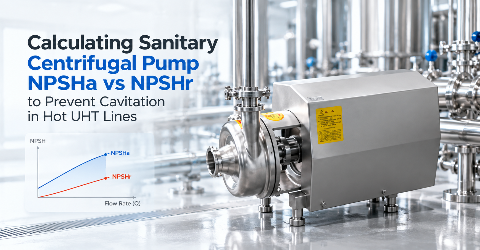
Introduction Cavitation is the single most common reason a sanitary centrifugal pump underperforms in a hot UHT line. It happens when the pressure at the pump inlet drops below the vapour pressure of the liquid, and the resulting bubbles collapse against the impeller. The damage is noisy, expensive, and usually avoidable—if the available net positive […]
316L vs 304 Stainless Steel Corrosion Resistance Matrix for Dairy, CIP Acids, and Fruit Juices
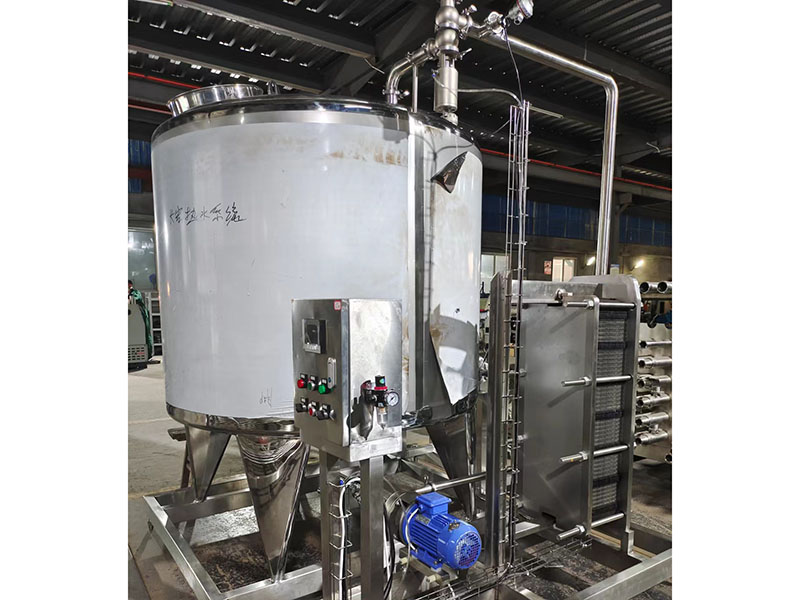
Introduction Every dairy, beverage, and food plant uses stainless steel, but not all stainless is the same. The two most common grades are 304 and 316L. They look identical, machine similarly, and both pass a magnet test, but their corrosion resistance differs sharply once they meet chlorides, CIP acids, or acidic fruit juices. Choosing […]
Dimple Jacket vs Steam Coil Heat Transfer Coefficients (U-Values) in Stainless Steel Processing Tanks
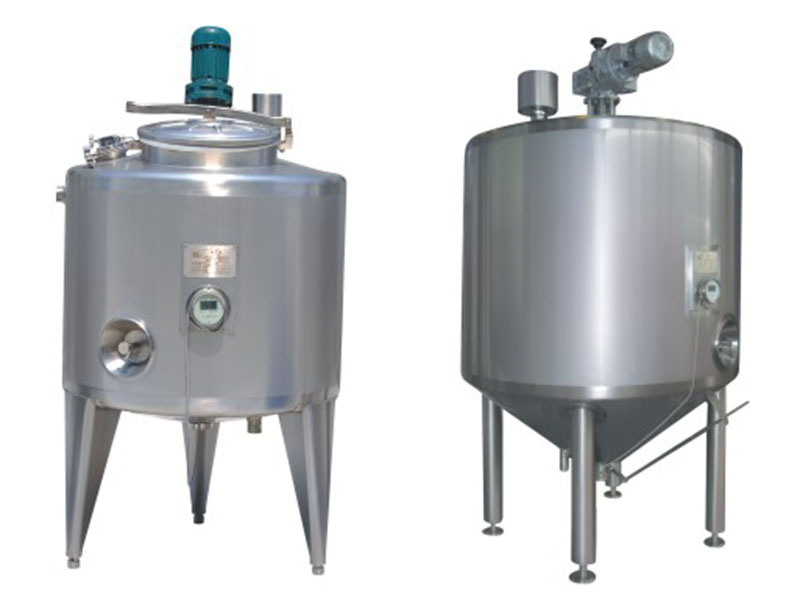
Introduction Heating or cooling a process tank is a heat-transfer problem. The effectiveness of the jacket or coil is captured by the overall heat-transfer coefficient, U, in W/m²·K. A higher U means more heat moves across the wall for the same temperature difference. In stainless steel processing tanks, the two most common heat-transfer surfaces […]
Secondary Vapor Recovery & Thermal Delta (ΔT) Calculations for Multi-Effect and Vacuum Evaporators
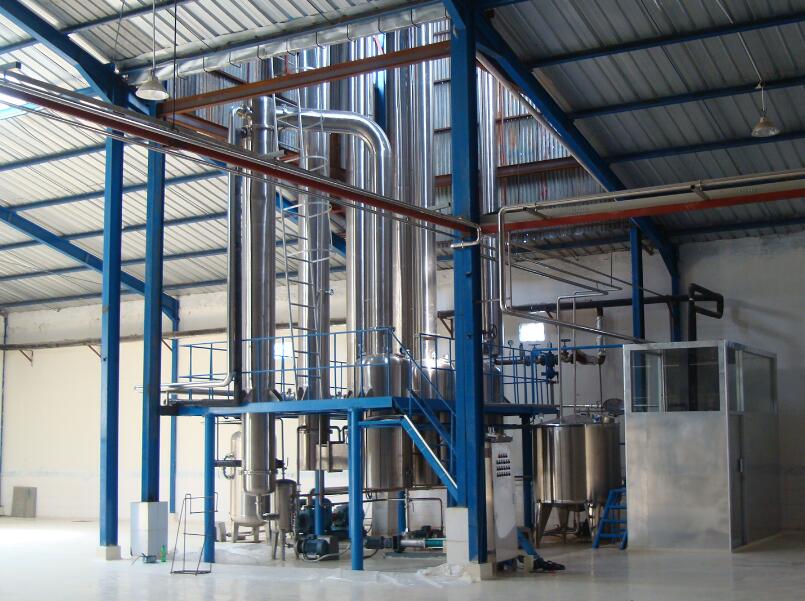
Introduction Evaporation is the largest energy user in many dairy, juice, and herbal processing plants. The biggest lever on that energy bill is how many times the same heat is reused. Multi-effect evaporators do exactly that by sending the vapor from one effect to heat the next, and the key design number that makes […]
Double-Pass Reverse Osmosis Water Quality Benchmarks: Conductivity, TDS, and Silica Rejection Rates
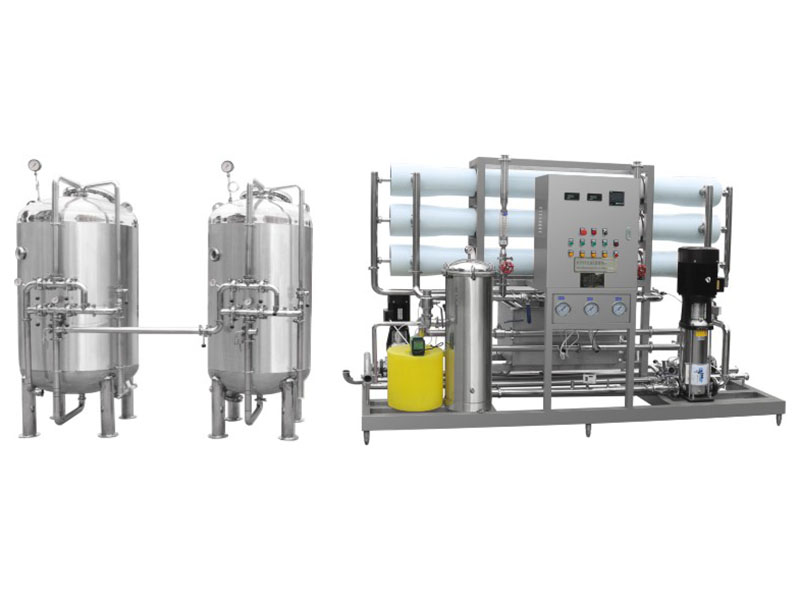
Introduction Water quality is the hidden foundation of every dairy, beverage, and food plant. If the boiler scales, the pasteurizer fouls, or the final product carries off-tastes, the cause is often the water treatment system. Reverse osmosis (RO) is the standard for reducing dissolved solids, but a single pass may not be enough when […]
High-Shear Emulsification Tank vs Homogenizer: Equipment Selection for Milk & Plant Milk Emulsions

Introduction Milk, plant milk, and flavored beverages are all emulsions or suspensions: fat or oil droplets dispersed in water. To keep them stable, the droplets must be small and evenly distributed. Two technologies dominate: the high-shear emulsification tank, which shears the product in a batch vessel, and the high-pressure homogenizer, which forces it through […]
Agitator Power Density (kW/m³) and Impeller Flow Pattern Guide for Viscous Mixing Vessels
Introduction Mixing is not just about turning a shaft. In viscous dairy, beverage, and food vessels, the right agitator must create the right flow pattern at the right power density, or the batch ends up stratified, overheated, or poorly blended. Power density—kilowatts per cubic metre of batch volume—is the simplest way to compare agitation […]
Thermal Regeneration Efficiency Calculation (% Heat Recovery) in Plate & Tubular Pasteurizers
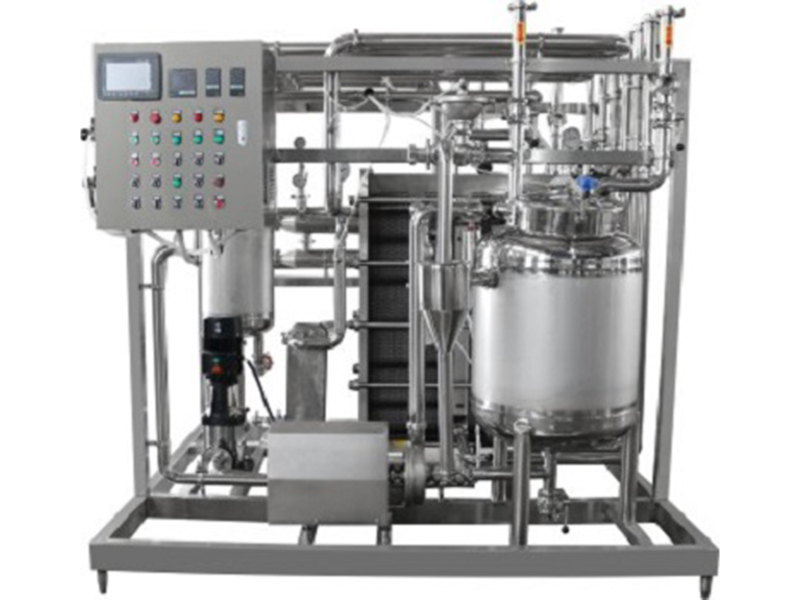
Introduction Pasteurization consumes large amounts of energy because the product must be heated to a precise temperature and then cooled back down. The largest single energy-saving feature in any pasteurizer is thermal regeneration: the hot pasteurized product pre-heats the incoming cold raw product through a heat exchanger, recovering heat that would otherwise be thrown […]