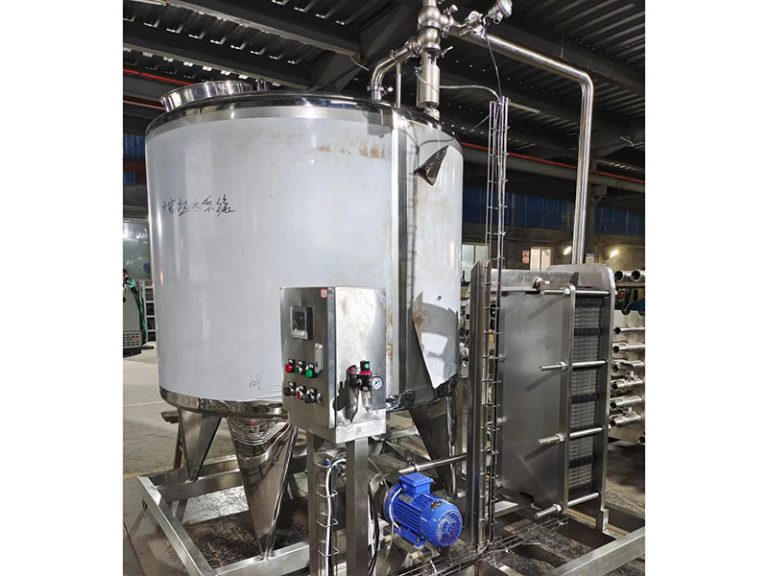
In food processing, dairy manufacturing, beverage production, and other liquid‑based industries, evaporation and concentration stands as a core step to remove moisture, boost solid content, extend shelf life, and reduce transportation costs. Yet even the most advanced systems often face two persistent challenges: foam formation and scaling. Both issues lower efficiency, damage equipment, reduce product quality, and increase operational costs.
This guide explores practical, industry‑proven methods to control foam in evaporation and concentration process, reduce scaling, prevent fouling, and boost overall system performance. Whether you run a small production line or a large industrial facility, these strategies will help you maintain smooth, consistent, and cost‑effective operations.
Introduction
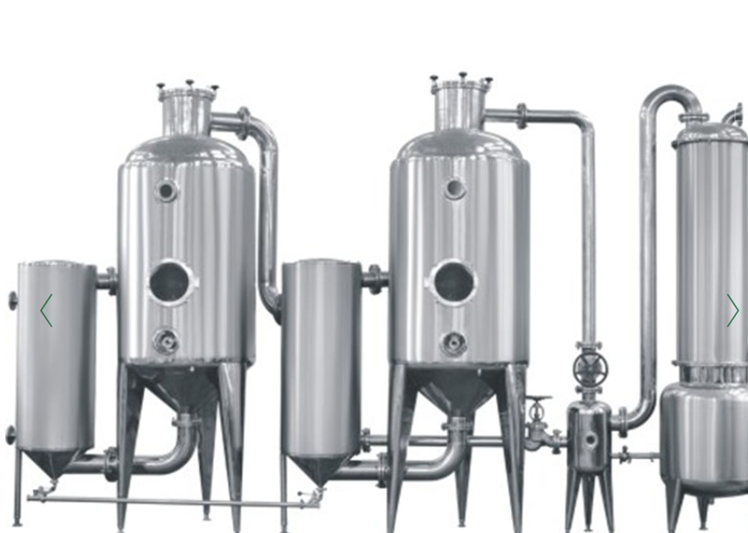
Evaporation and concentration process relies on heat and vacuum to remove water from liquids, creating concentrated products like milk powder, fruit puree, syrup, juice concentrate, and protein solutions. While effective, this process often triggers foam—caused by low surface tension and protein or polysaccharide presence—and scaling, caused by mineral deposition on heated surfaces.
Left unmanaged, foam leads to overflow, product loss, and contamination. Scaling and fouling reduce heat transfer, increase energy use, and force frequent shutdowns for cleaning. Mastering control of these issues directly improves yield, quality, and profitability in Food Processing Plants.
Basics of Evaporation and Concentration Process
Industrial Evaporation and Industrial Concentration work hand in hand to transform thin liquids into dense, shelf‑stable products. The process uses temperature, pressure, and flow control to separate water vapor from the product stream.
Industrial Evaporation Key Applications
Dairy: milk, whey, lactose concentrate
Beverage: fruit juice, tea extract, coffee concentrate
Sweeteners: corn syrup, honey, sugar syrup
Plant‑based: soy milk, protein extracts
Industrial Concentration in Food Processing
Concentration increases total solids while preserving flavor, nutrition, and texture. It reduces storage volume, extends shelf life, and prepares products for drying, packaging, or further processing.
Evaporation and Concentration Systems Overview
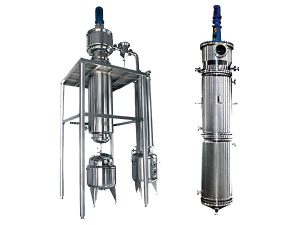
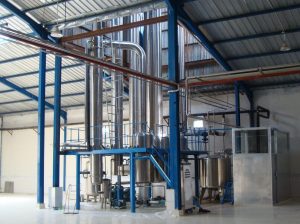
evaporation and concentration systems come in multiple designs, including falling film, rising film, forced circulation, and plate evaporators. Each serves different product types and viscosity levels.
Liquid Concentration Equipment Features
Modern Liquid Concentration Equipment includes:
Precise temperature and vacuum control
Automatic foam detection and suppression
Self‑cleaning or low‑fouling heat surfaces
Energy recovery systems for efficiency
Hygienic design for food safety compliance
Common Issues in Food Processing Plants
The most frequent disruptions include:
Excessive foaming causing overflow and loss
Scale buildup on heating surfaces
Fouling from proteins, sugars, or minerals
Reduced heat transfer efficiency
Higher energy and maintenance costs
These issues directly impact throughput and product consistency.
| Common Issue | Primary Causes | Negative Impact on Production |
| Foaming | Low surface tension; presence of proteins or polysaccharides; rapid pressure changes. | Causes overflow, product loss, and potential contamination. |
| Scaling | Mineral deposition (calcium, magnesium) or sugar deposits on heated surfaces. | Blocks heat transfer, increases energy use, and forces frequent shutdowns. |
| Fouling | Buildup of proteins, fibers, or carbohydrates that clogs passages. | Reduces heat transfer efficiency and increases maintenance costs. |
How to Control Foam in Evaporation Process
Foam is one of the most disruptive problems in liquid processing. Understanding how to control foam in evaporation and concentration process keeps operations stable.
Effective strategies include:
Reduce liquid loading to avoid overfilling chambers
Gradually adjust vacuum pressure to prevent sudden boiling
Use mechanical defoamers or built‑in foam breakers
Apply food‑grade antifoam agents compatible with your product
Optimize feed temperature and flow rate for gentle evaporation
By controlling foam, you eliminate product loss and maintain steady production flow.
How to Reduce Scaling in Industrial Evaporation Systems
Scaling—typically calcium, magnesium, or sugar deposits—sticks to heating surfaces and blocks heat transfer. To reduce scaling in industrial evaporation systems:
Pre‑treat feed liquids to lower mineral content
Maintain controlled, even heating rates
Use anti‑scale coatings or polished stainless‑steel surface
Implement regular CIP (clean‑in‑place) cycles
Operate at optimal temperature and velocity to minimize deposit adhesion
Well‑managed scaling control extends production runs and cuts maintenance time.
How to Prevent Fouling in Food Processing Evaporation
Fouling refers to protein, fiber, or carbohydrate buildup that clogs passages and degrades performance. To prevent fouling in food processing evaporation plants:
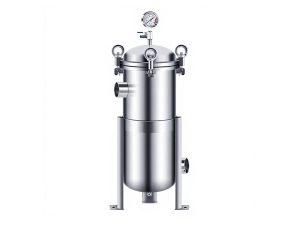
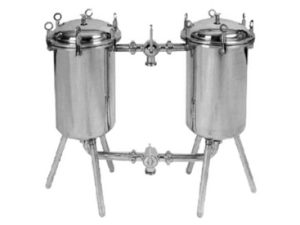
Filter raw materials to remove suspended solids
Avoid overheating heat‑sensitive components
Use turbulent flow or forced circulation to reduce surface adhesion
Clean systems promptly after production shifts
Select low‑fouling evaporator designs like falling‑film systems
Preventing fouling keeps equipment running longer between cleans.
6 Steps to Improve Efficiency of Liquid Concentration Equipment

Over time, performance declines without proper care. You can significantly improve efficiency of liquid concentration equipment with these steps:
Regularly inspect and clean heat exchange surfaces
Calibrate temperature, pressure, and flow sensors
Replace worn seals, gaskets, and nozzles
Use heat regeneration systems to lower energy use
Optimize feed rate to match equipment capacity
Higher efficiency means lower cost per kilogram of product.
6 Optimization Tips for Evaporation Systems
For peak performance, follow these optimization tips for evaporation and concentration systems:
Match evaporator type to product viscosity and heat sensitivity
Run at consistent load rather than frequent start‑stop cycles
Monitor foam, scaling, and fouling in real time when possible
Train staff to recognize early warning signs of instability
Maintain strict cleaning and maintenance schedules
Small, consistent improvements lead to major long‑term gains.
FAQs
What causes heavy foam in evaporation systems?
Foam comes from proteins, surfactants, high viscosity, and rapid pressure changes.
How often should I clean to prevent scaling and fouling?
Frequency depends on product; sugary and mineral‑rich liquids need more frequent cleaning.
Can equipment design reduce foam and scaling?
Yes, falling‑film and forced‑circulation designs are naturally more resistant to fouling and foaming.
Which brand provides reliable evaporation and concentration systems?
JIANGBO offers high-efficiency, low-fouling systems designed for food processing stability.
Conclusion
evaporation and concentration are vital processes in modern food manufacturing, but foam, scaling, and fouling can severely limit productivity and quality. By learning to control foam in evaporation and concentration process, reduce scale buildup, and prevent fouling, you create a more stable, efficient, and profitable operation.
Well-maintained evaporation and concentration systems deliver consistent concentration, preserve product flavor, and lower operational costs. Choosing robust, food‑grade equipment only amplifies these benefits. Brands like JIANGBO specialize in industrial systems engineered to minimize foam, scaling, and fouling while maximizing throughput.
If you want to eliminate downtime, improve product quality, and boost the efficiency of your liquid concentration line, consult a trusted manufacturer to customize your evaporation system for long‑term success.