Table of Contents
ToggleIntroduction
In many industrial processes, evaporation and concentration play a critical role in reducing volume, increasing product value, and improving downstream efficiency. As energy costs rise and production scales expand, companies increasingly seek solutions that deliver higher evaporation efficiency with lower operating costs. A vacuum concentrator has become a preferred choice for many industries because it enables effective evaporation under controlled conditions while protecting product quality.
Understanding how a vacuum concentrator improves efficiency in evaporation and concentration helps you make more informed decisions when selecting industrial evaporation equipment for long-term operations.
Vacuum Concentrator Overview
A vacuum concentrator is a type of industrial evaporator designed to remove solvents, typically water, from liquid materials under reduced pressure. By lowering the boiling point of liquids, it allows evaporation to occur at lower temperatures, improving efficiency and reducing energy consumption.
Vacuum Evaporation Principle
Vacuum evaporation works by reducing system pressure, which lowers the boiling point of the liquid being concentrated. Under vacuum conditions, evaporation occurs at significantly lower temperatures compared to atmospheric pressure. This principle allows faster evaporation while minimizing thermal stress on the product, making vacuum concentrators suitable for heat-sensitive materials.
Industrial Vacuum Concentrator Design
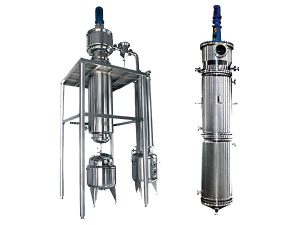
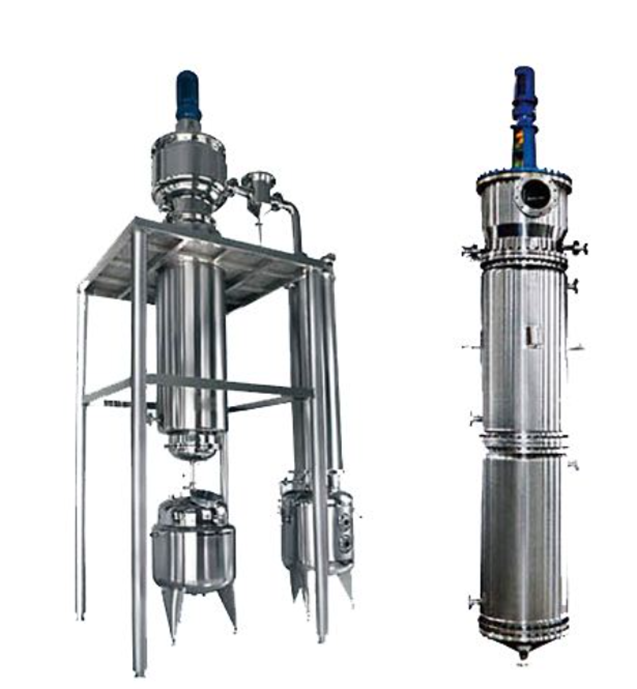
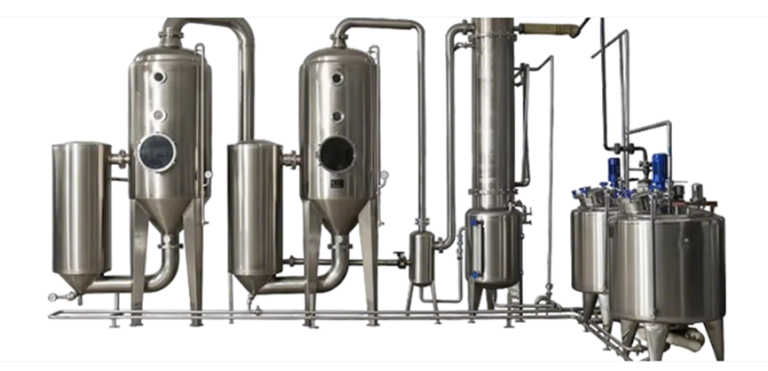
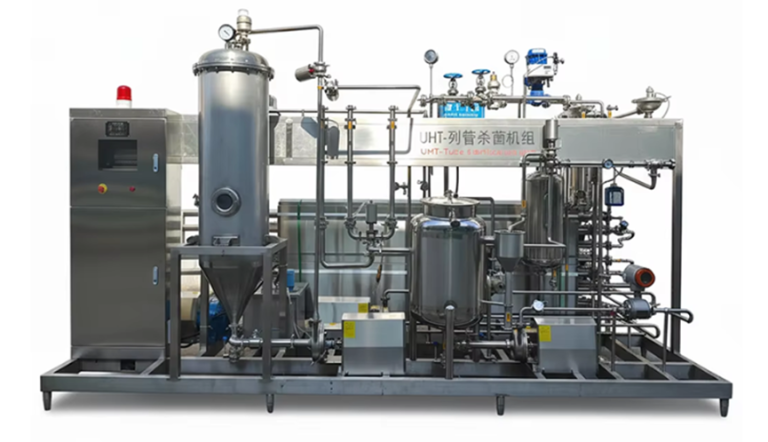
Industrial vacuum concentrators are engineered with sealed chambers, heat exchange surfaces, and vacuum systems that maintain stable operating pressure. Their design focuses on maximizing heat transfer efficiency while ensuring consistent evaporation performance. Many systems are modular, allowing integration into existing industrial evaporator lines or expansion for large scale evaporation needs.
Role in Evaporation And Concentration
In evaporation and concentration processes, vacuum concentrators serve as the core equipment for volume reduction and solute concentration. They are widely used to increase solid content, recover valuable components, or reduce waste streams before further processing or disposal.
How Vacuum Concentrator Improves Evaporation Efficiency
Improving evaporation efficiency is one of the main reasons industries adopt vacuum concentrators. Their operational advantages directly impact energy use, throughput, and product stability.
Reduced Boiling Point
By operating under vacuum, the boiling point of liquids is significantly reduced. This allows evaporation to occur faster and at lower temperatures, which improves overall evaporation efficiency. Lower boiling temperatures also help preserve sensitive compounds, colors, and flavors that might otherwise degrade during high-temperature processing.
Energy-Efficient Evaporation Equipment
Vacuum concentrators are considered energy-efficient evaporation equipment because they require less thermal energy to achieve the same level of concentration. Reduced heat input translates into lower fuel or electricity consumption, making them cost-effective for continuous industrial operation.
Stable Heat Transfer
Stable heat transfer is essential for consistent evaporation. Vacuum concentrators are designed to maintain uniform temperature distribution and controlled evaporation rates. This stability reduces fouling risks and improves operational reliability, especially during long production cycles.
Efficiency Advantages in Industrial Evaporation
Compared with traditional industrial evaporators, vacuum concentrators offer several efficiency advantages that are particularly valuable in modern production environments.
Energy Consumption Reduction
Lower operating temperatures directly reduce energy demand. This energy consumption reduction helps companies control operating costs while meeting sustainability and emission reduction goals.
Large Scale Evaporation Performance
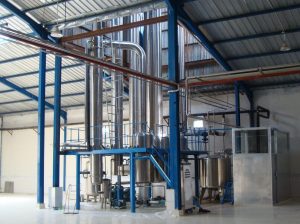
Vacuum concentrators are well suited for large scale evaporation equipment applications. Their ability to operate continuously and efficiently under vacuum conditions makes them reliable for high-capacity production lines with stable output requirements.
Process Control Improvement
Vacuum systems allow more precise control over temperature, pressure, and evaporation rates. Improved process control leads to more consistent concentration results and reduces production variability, which is important for quality assurance.
Applications of Industrial Vacuum Concentrator
Industrial vacuum concentrators are used across multiple sectors where evaporation and concentration are essential process steps.
Food and Beverage Processing
In food and beverage processing, vacuum concentrators are used to concentrate juices, sauces, and extracts. Low-temperature evaporation helps retain flavor, aroma, and nutritional value while achieving efficient volume reduction.
Dairy and Liquid Foods
Dairy and liquid food products benefit from vacuum evaporation due to their sensitivity to heat. Vacuum concentrators help maintain product integrity while achieving desired concentration levels in milk-based and protein-rich liquids.
Chemical and Pharmaceutical Use
In chemical and pharmaceutical industries, vacuum concentrators are used for solvent recovery, intermediate concentration, and waste reduction. Their controlled environment supports consistent results and compliance with process standards.
Selecting the Right Vacuum Concentrator
Choosing the right vacuum concentrator requires balancing performance, reliability, and long-term operational efficiency.
Capacity for Large Scale Evaporation
You should select equipment that matches your production volume and future expansion plans. Proper capacity planning ensures stable performance during large scale evaporation without overloading the system.
Material and Equipment Reliability
Material selection affects corrosion resistance, cleaning efficiency, and service life. Reliable industrial vacuum concentrator construction reduces maintenance frequency and downtime.
Integration with Industrial Evaporator Systems
Compatibility with existing industrial evaporator systems is important. Seamless integration improves workflow efficiency and minimizes installation and commissioning challenges.
FAQ
What makes a vacuum concentrator more efficient than a traditional evaporator?
Operating under vacuum lowers the boiling point, reducing energy use and improving evaporation efficiency.
Is vacuum evaporation suitable for heat-sensitive products?
Yes. Lower operating temperatures help protect heat-sensitive materials during concentration.
Can vacuum concentrators support large scale evaporation?
Industrial vacuum concentrators are designed for continuous, large-capacity evaporation processes.
Does a vacuum concentrator reduce operating costs?
Reduced energy consumption and stable operation contribute to lower long-term costs.
Conclusion
Vacuum concentrators offer a practical and efficient solution for modern evaporation and concentration needs. By lowering boiling points, improving energy efficiency, and supporting large scale evaporation, they help industries achieve reliable performance with reduced operational costs. For businesses seeking dependable industrial evaporation solutions, working with an experienced manufacturer is essential. Zhongbo provides professional vacuum concentrator systems designed to support efficient, stable, and scalable industrial production, helping you optimize evaporation processes with confidence.