

For juice producers, maintaining the fresh taste of the juice while ensuring its safety and shelf life is one of the biggest challenges in the production process. The heat-based sterilization method can alter the flavor, color, and nutritional content of the juice, but it remains crucial for eliminating harmful bacteria and extending the market reach. HTST and UHT treatment technologies offer two flexible and effective approaches to balance preservation effects and sensory quality.
This guide details the operation principles of these systems, compares their effects on flavor, and provides practical steps to protect the taste and maximize efficiency. By reading this guide, you will precisely understand how to select, optimize, and operate heat treatment equipment, thereby ensuring that your juice maintains the freshly squeezed taste regardless of the distribution path.
Introduction
Fresh juice requires delicate aroma, natural acidity, and bright color, and these characteristics will fade quickly under high temperatures. The traditional pasteurization method often sacrifices flavor for safety, but the modern HTST pasteurization and ultra-high temperature pasteurization have changed this situation.
Understanding the differences in pasteurization methods for juice under the HTST method and UHT method can help you choose the appropriate processing method based on product requirements, whether it is a short-term refrigeration shelf life or a stable room temperature storage period for several months. Using the correct processing method can not only protect the taste characteristics of your brand but also comply with global food safety standards.
What Is HTST Treatment for Juices
HTST treatment method – namely, high-temperature short-time pasteurization method, is a relatively mild heat treatment method, which is very suitable for fresh-tasting juice that needs to be refrigerated. It can achieve effective microbial control while minimizing heat usage.
High Temp Short Time Pasteurization Basics
For most juices, the standard process for HTST is: first heat to 90 – 95 degrees Celsius, hold for 15 – 30 seconds, and then rapidly cool. This short heating process can eliminate yeast, mold, and pathogens, while also retaining the volatile flavor compounds that keep the juice fresh. This process does not reach the commercial-level aseptic standard, so the product needs to be refrigerated and can have a shelf life of several weeks.
HTST Pasteurization Equipment for Juices
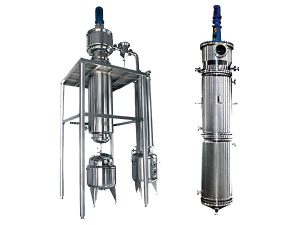
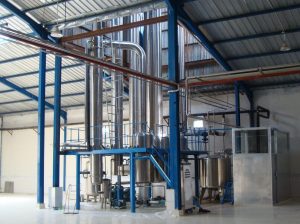
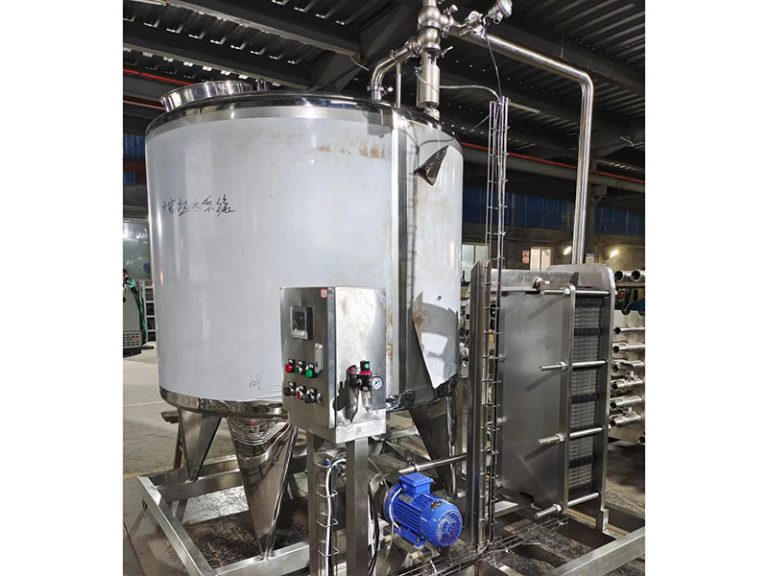
The htst pasteurization equipment for juice usually uses plate heat exchangers, which have the characteristics of rapid heat transfer and easy cleaning. These systems are compact, energy-efficient, and can be perfectly integrated with standard filling lines. Many models are equipped with regenerative heating modules, which can maintain precise temperature control while reducing energy consumption.
What Is UHT Treatment for Juices
UHT treatment technology can achieve a long shelf life for products without refrigeration, so it is very suitable for export, retail shelves, and convenient products.
Ultra High Temperature Pasteurization Basics
For juice, the ultra-high temperature pasteurization method is to heat the temperature to 110 – 135 degrees Celsius, hold for 2 – 5 seconds, and then immediately cool. This ultra-short processing period can minimize flavor loss while achieving commercial-level aseptic standards. When combined with sterile packaging, ultra-high temperature sterilized juice can be stored at room temperature for 6 – 12 months without spoiling.
UHT Pasteurization Equipment for Juices
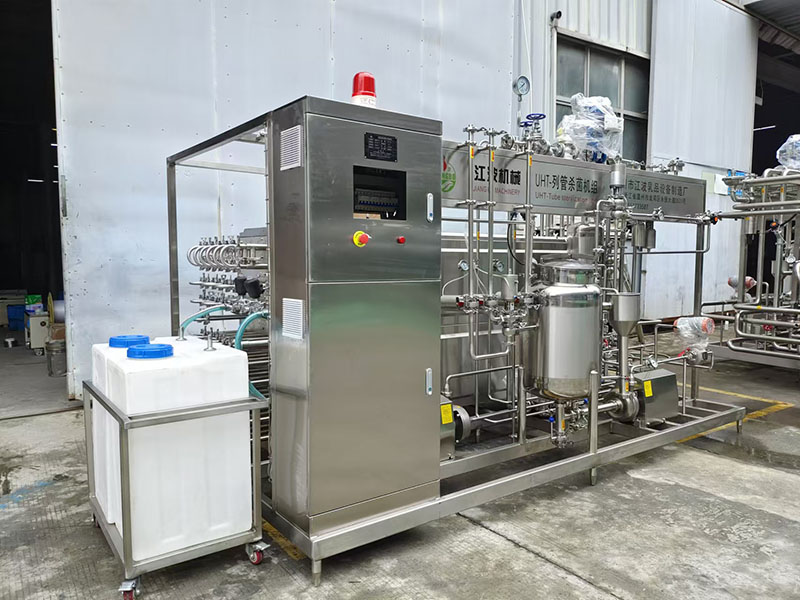
The UHT pasteurization equipment for juice uses tube or multi-plate heat exchangers, which are designed specifically for low viscosity and easily affected by odors. Many devices are equipped with sterile storage tubes and closed transmission systems to prevent recontamination. These machines support sterile filling and are designed to handle acidic fruit mixtures without corrosion or odor residue.
Difference Between HTST and UHT for Juices
The differences between HTST and UHT pasteurization for juices lies in shelf life, flavor impact, and packaging requirements. The following table provides a brief comparison of the two:
| Feature | HTST Treatment | UHT Treatment |
| Heat Profile | 90–95°C, 15–30 sec | 110–135°C, 2–5 sec |
| Shelf Life | 3–8 weeks, refrigerated | 6–12 months, ambient |
| Flavor Impact | Very mild, near-fresh | Minimal if optimized |
| Packaging | Standard cold-fill | Aseptic, barrier materials |
| Best For | Fresh premium juice | Shelf-stable retail & export |
How to Maintain Juice Flavor in UHT Treatment
Mastering how to maintain the flavor of juice during UHT treatment is crucial for producing products with a longer shelf life. Please follow these effective steps:
Control the waiting time within the shortest effective period.
Use rapid heating and immediate cooling to reduce thermal stress.
Avoid contact with oxygen before and after processing.
Choose low-oxygen barrier aseptic packaging.
Evaluate the appropriate test temperature for each fruit mixture.
By making slight adjustments in time and temperature, you can maintain the fresh taste of citrus, the rich flavor of berries, and the aroma of tropical fruits, making your juice unique.
Optimize UHT Pasteurization Process for Fruit Juices
To optimize the UHT pasteurization process for juice, focus on consistency and effective control:
Calibrate the temperature sensor weekly to ensure its accuracy.
Use a flow regulator to maintain a stable production speed.
Implement CIP (in-situ cleaning) measures to prevent cross-contamination between different varieties.
Adjust the pressure to avoid foaming and oxidation.
Use a degassing process in combination to protect volatile aromas.
A well-optimized ultra-high temperature sterilization system can produce juice with a long shelf life and a taste close to freshly squeezed.
How to Choose HTST Equipment for Juice Production

When deciding to select HTST pasteurization equipment for juice production, prioritize the following factors:
Compatibility with acidic fruit mixtures.
Energy-saving regenerative heat modules.
Simple disassembly for easy daily cleaning and disinfection.
Modular design that can be adjusted as production scales expand.
Temperature control accuracy within ±1°C.
Reduce Energy Use of HTST/UHT Equipment
The thermal system is the main energy consumer, but the following steps can reduce the energy consumption of HTST/ UHT pasteurization equipment:
Use a regenerative heat exchanger to recover waste heat.
Insulate pipes and fixed tubes to prevent heat loss.
Maintain continuous full-load operation to avoid inefficiency caused by frequent startups and stops.
Regularly perform maintenance to maintain heat transfer efficiency.
Upgrade to high-efficiency pumps and motors.
These changes reduce operating costs while ensuring sterilization effectiveness.
FAQs
Which is better for fresh citrus juice, HTST method or UHT method?
The HTST method is more favored because it uses a lower temperature and can better preserve the delicate flavor of citrus.
Will ultra-high temperature treatment change the color of the juice?
If the operation is proper, ultra-high temperature treatment will only cause slight color changes; but if the operation is improper or the temperature is too high, the color will darken.
Can HTST equipment handle various fruit juice flavors?
Yes, a thorough CIP cleaning is carried out between each batch of production to avoid cross-contamination.
Which brand provides reliable juice heat treatment equipment?
JIANGBO offers high-performance HTST and UHT systems specifically designed for protecting the flavor of juice.
Conclusion
HTST and UHT Treatment technologies are indispensable means for juice producers to achieve a balance of safety, shelf life and excellent taste. The HTST pasteurization method can keep refrigerated products flavorful and lasting; while the ultra-high temperature pasteurization method can bring months of temperature-stable performance to the products without sacrificing quality. Mastering how to maintain the flavor of juice in UHT treatment and choosing the appropriate equipment can ensure that your products stand out on the shelves and in taste tests.
Whether you operate a small processing line or a large filling factory, combining your heat treatment process with juice formulation and packaging processes is the key to achieving continuous success. Reliable manufacturers like JIANGBO will design equipment that can both protect the flavor and improve efficiency and reliability.
If you wish to optimize the heat treatment process, extend the shelf life or protect the flavor of fresh juice, please consult a reliable supplier to customize an HTST/UHT solution that meets your needs, so as to achieve the best quality and performance.