When you manage a dairy, beverage, or food-processing line, choosing the right pasteurization technology can significantly improve product quality, shelf life, and production efficiency. In this guide, you will clearly understand how UHT and HTST pasteurization work, what equipment you need, and how to select the right system for your facility.
What Is UHT Pasteurization?
UHT (Ultra High Temperature) pasteurization heats liquid products to 135–150°C for 2–5 seconds. This process eliminates all microorganisms, enabling 6–12 months of shelf life without refrigeration.
How UHT Processing Works
-
Product enters a UHT pasteurizer
-
Rapid heating through steam injection or indirect heating
-
Ultra-short temperature holding
-
Instant cooling
-
Aseptic filling
Why You Should Choose UHT
-
Long ambient shelf life
-
Ideal for milk, cream, plant-based beverages, soups, sauces
-
Highly efficient for large-scale production
-
Reduced logistics and storage cost
Real Case Example
A dairy plant in Southeast Asia upgraded to a Zhongbo Machinery UHT pasteurizer to solve recurring contamination issues in flavored milk. After installation, their product shelf life increased from 7 days to 6 months, and production loss dropped by 30%, reducing annual operation costs significantly.
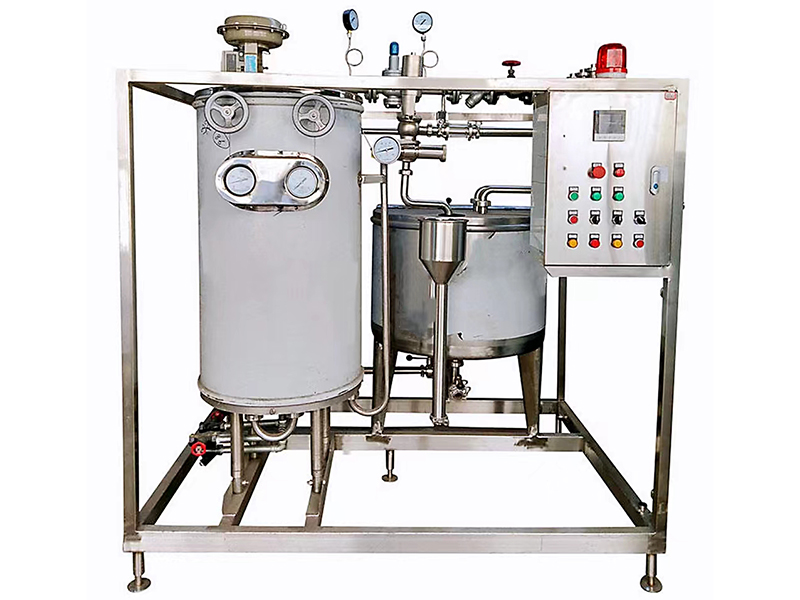
What Is HTST Pasteurization?
HTST (High Temperature Short Time) pasteurization, also known as flash pasteurization, heats products to 72–75°C for 15–20 seconds.
How HTST Pasteurization Works
-
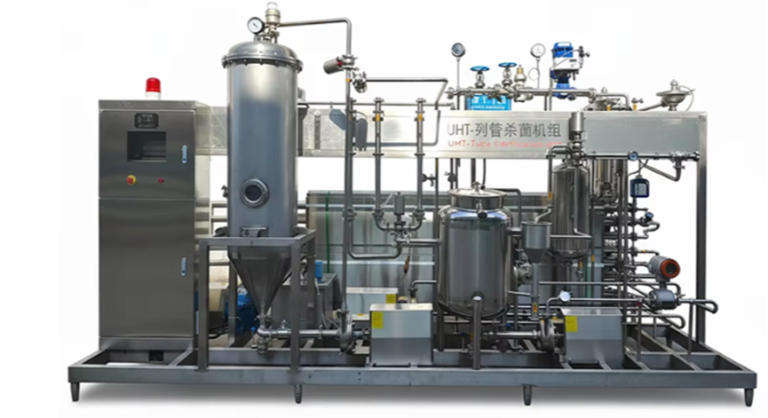
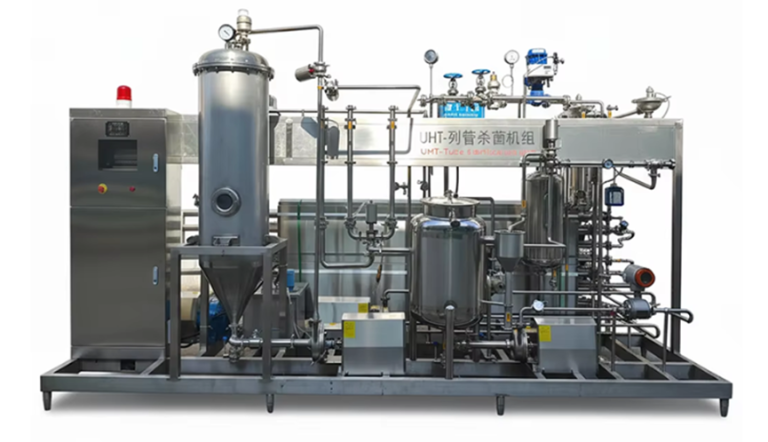
Product enters a plate or tubular HTST pasteurizer
-
Heated to 72–75°C by regenerative heat exchangers
-
Short holding time
-
Rapid cooling
Where HTST Is Commonly Used
-
Fresh milk
-
Juice and tea beverages
-
Beer and brewery products
-
Yogurt base materials
Case Example
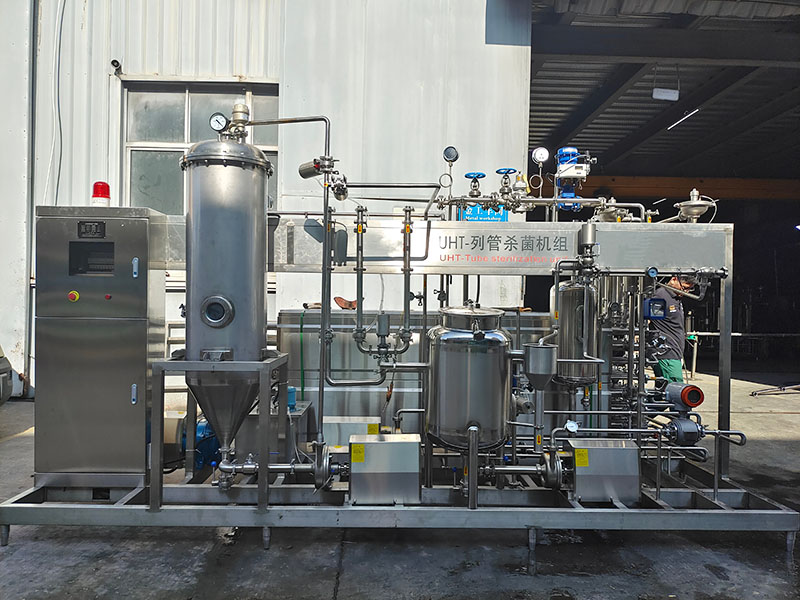
A medium-sized juice company replaced its older unit with a Zhongbo Machinery HTST pasteurizer to improve taste and microbial stability. After the upgrade, juice clarity improved, and customer complaints dropped by 40% due to better temperature control and consistent pasteurization.
UHT vs HTST Pasteurization: Key Differences
| Feature / Criteria | UHT Pasteurization | HTST Pasteurization |
|---|---|---|
| Temperature | 135–150°C | 72–75°C |
| Holding Time | 2–5 seconds | 15–20 seconds |
| Shelf Life | 6–12 months | 7–21 days |
| Equipment Type | UHT pasteurizer | HTST pasteurizer |
| Best For | Long-life products | Fresh products |
| Energy Use | Higher | Lower |
| Flavor Impact | Slight cooked flavor possible | Fresher taste |
UHT Pasteurizer vs HTST Pasteurizer – Which One Should You Choose?
Choose a UHT Pasteurizer If You:
-
Want long shelf life without refrigeration
-
Export products over long distances
-
Produce high-value beverages (coffee drinks, creamers, protein drinks)
-
Need aseptic packaging compatibility
Choose an HTST Pasteurizer If You:
-
Produce fresh milk or short shelf-life products
-
Focus on taste preservation
-
Want a lower energy consumption solution
-
Run small to medium-scale beverage operations
What to Consider When Buying Pasteurization Equipment
When selecting UHT pasteurization equipment or HTST pasteurization equipment, you should evaluate:
Key Decision Factors
-
Production capacity (L/H)
-
Heat exchange type (plate / tubular / direct steam injection)
-
Automation level
-
Material compatibility (dairy, juice, plant protein, etc.)
-
CIP integration
-
Aseptic filling demand
-
Budget and ROI
Why Zhongbo Machinery Equipment Stands Out
-
Over 20+ years manufacturing UHT and HTST systems
-
International-standard stainless-steel construction
-
Custom automated control systems
-
Global installations in dairy, beverage, and food factories
-
Strong after-sales support with on-site commissioning
Explore main product line:
Zhongbo Machinery UHT & HTST Systems
https://www.zjzhongbo.com/product_category/htstuht-treatment/
Conclusion
Choosing between UHT and HTST pasteurization is essential to building a reliable and scalable processing line. With the right system, you can enhance product safety, maximize shelf life, and reduce operational cost. If you’re planning an upgrade, Zhongbo Machinery can provide the UHT or HTST solution that aligns with your production goals.
FAQs
1. What is the main difference between UHT and HTST pasteurization?
UHT uses much higher temperatures for a very short time, enabling long shelf life. HTST uses moderate heat for fresh, better-tasting products.
2. Does UHT pasteurization affect product flavor?
Slightly, depending on the product. Most dairy beverages maintain acceptable taste after UHT treatment.
3. Is HTST pasteurization enough for commercial food safety?
Yes, HTST fully meets global food-safety standards for fresh dairy and beverages.
4. What industries commonly use UHT systems?
Dairy, plant-based milks, coffee beverages, liquid eggs, sauces, bakery fillings, and soups.
5. Can Zhongbo Machinery customize UHT or HTST systems?
Yes. Zhongbo Machinery provides fully customized pasteurization lines based on capacity, formulation, and packaging requirements.