
Introduction
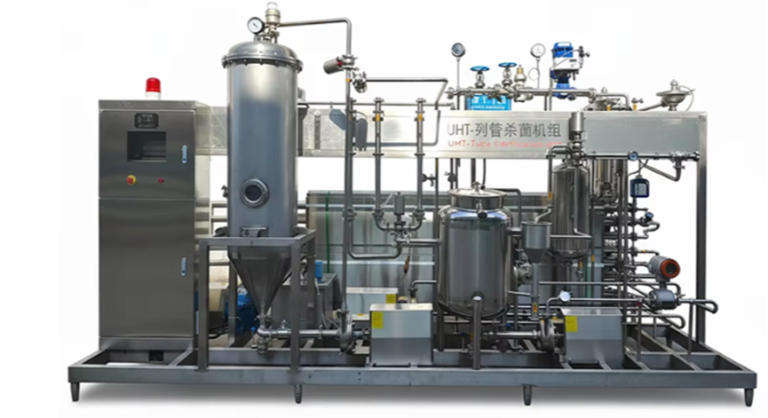
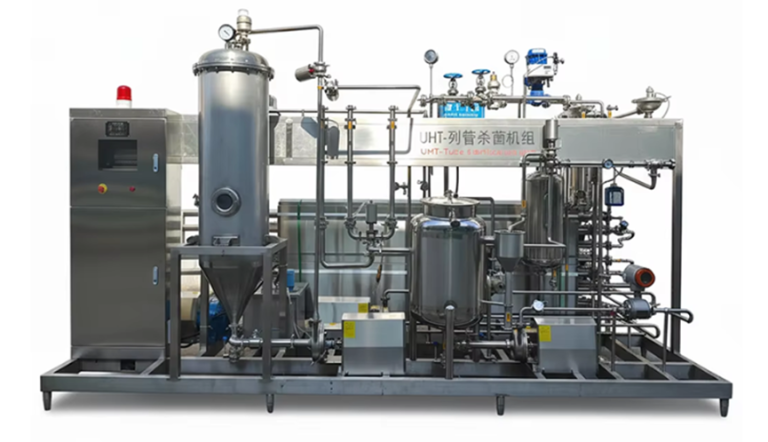
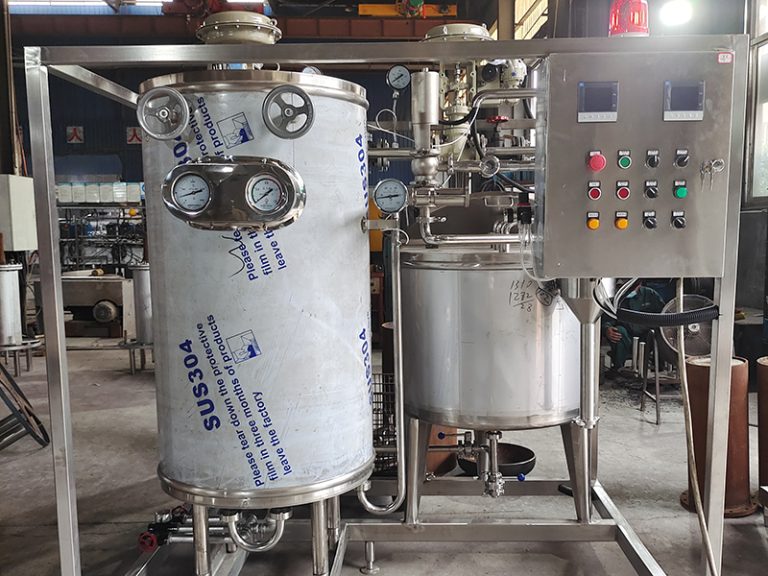
The production of dairy products relies on the stable operation of HTST pasteurization and UHT treatment systems to provide safe and high-quality milk and dairy products. However, even the most robust equipment may malfunction, thereby compromising product quality. These issues, ranging from temperature deviations to inconsistent flow rates, often result from wear or misalignment of small components. Therefore, quickly resolving faults is crucial for reducing downtime and avoiding costly batch losses. This guide provides a detailed overview of the most common faults in HTST pasteurization equipment and UHT pasteurization equipment, along with their root causes and feasible solutions, to ensure that these systems can operate smoothly for dairy producers of all sizes.
HTST/UHT Systems: Workflows & Dairy Requirements

Whether it is the high-temperature short-time pasteurization method or the UHT treatment method, they all follow a core thermal processing procedure: product heating, holding at a set temperature, rapid cooling and homogenization. The HTST treatment lasts for 15 seconds at a temperature of 72°C, which can effectively reduce pathogens while maintaining the natural flavor and texture of dairy products. The ultra-high temperature system uses a temperature range of 135 to 150°C for 2 to 5 seconds to achieve a commercial sterile state for shelf-stable products. Each component of these systems works together to maintain these parameters. Any malfunction of a single component could cause a series of problems. The unique characteristics of dairy products, such as protein sensitivity, fat separation and viscosity, add additional complexity, making the troubleshooting of system failures in dairy processing an essential step.
Temperature-Related Malfunctions & Fixes
Temperature is the fundamental element of pasteurization, and in the HTST and UHT systems, deviations from the set parameters are the most common and significant faults, which often lead to insufficient processing or product deterioration.
Temperature Deviations
Unplanned sudden drops or rises in temperature are usually caused by blocked heat exchangers, faulty temperature sensors, or inconsistent pressure of the heating medium.
Clean the plate heat exchanger to remove the accumulation of milk solids; Calibrate the temperature sensor in accordance with NIST standards and replace the worn thermocouple; Install pressure regulators for steam/water.
Conduct daily temperature checks at the inlet and outlet of the heat exchanger to detect subtle deviations early.
Cold Spots in Holding Tubes
A cold spot refers to the area with the slowest heating speed in the storage tube. It is a silent fault that can lead to incomplete sterilization of the product and a risk of pathogen presence. Common causes include uneven product flow distribution or blockage of the pipe section.
Use fluid dynamics mapping technology to re-determine the location of the cold spot; Use food-grade cleaning solutions to remove blockages in the pipeline; Adjust the flow guide plates to ensure uniform distribution of the product throughout the pipeline.
In UHT pasteurization equipment, the risk of cold spot areas is particularly high because there is no tolerance for any thermal non-uniformity during the ultra-high temperature treatment.
Flow & Pressure Malfunctions & Fixes
Unstable flow rates and pressure fluctuations can disrupt the critical holding time necessary for effective pasteurization, and also cause quality defects in dairy products.
Inconsistent Flow Rate
Product supply instability is usually caused by worn-inlet pumps, blocked flow meters, or improper valve positioning.
Repair measures: Replace worn pump impellers and seals; Calibrate the flow meters to ensure accurate readings; Reset the manual valves to the calibrated position and switch to automatic valves to achieve stable flow control.
Quick test: Conduct water flow tests to distinguish whether the fault is due to water flow issues or specific product viscosity problems.
Pressure Drops or Spikes
Pressure drops in heat exchangers reduce heat transfer efficiency, while sudden pressure surges can cause product foaming or system leakage. These occurrences result from dirt, filter blockages, or pressure relief valve failures.
Repair measures: Replace clogged inlet filters; Clean the heat exchanger plates to restore pressure differences; Check and recalibrate the safety relief valves.
Special solution for UHT: Install pressure fluctuation buffers in UHT pasteurization equipment to mitigate sudden pressure changes in the ultra-high temperature processing line.
Dairy Quality Defects & Underlying Malfunctions
Many dairy products do not merely have problems related to the product itself; they are often caused by faults in the dairy product sterilization system. These faults are usually related to temperature, flow rate, or improper homogenization operations.
Curdling & Protein Aggregation
During pasteurization, proteins in milk can coagulate due to a sudden increase in temperature, slow cooling rate, or uneven flow rate in the heat exchanger, which can lead to irreversible denaturation of the proteins in the dairy products.
Repair measures: Calibrate the heat exchanger on the cooling side to ensure rapid cooling after pasteurization; solve the problem of inconsistent flow rate to avoid hotspots in the processing line; replace worn gaskets to prevent cold water from entering the heating area.
Off-Flavors in Dairy Products
In pasteurized dairy products, bitter or unpleasant odors often occur. The bitterness is caused by overheating, while the odor is due to fat oxidation.
Repair measures: Adjust the ultra-high temperature setting to an appropriate level to avoid over-processing; inspect the worn valves in the homogenizer, as these valves reduce the degree of fat particle fragmentation; ensure that the cooling pipes are free of bubbles, as bubbles can impede heat transfer.
Inadequate Homogenization
Inadequate homogenization of the emulsion can lead to fat separation in milk and dairy products. This defect is often attributed to quality issues, but in reality, it is caused by insufficient homogenization pressure or worn components of the homogenizer.
Repair measures: Adjust the homogenizer’s pressure to a specific value suitable for dairy products; replace worn homogenizer valves and pistons; ensure that the flow rate of the homogenizer is consistent with that of the pasteurization line to avoid pressure mismatch.
Safety System Malfunctions & Troubleshooting
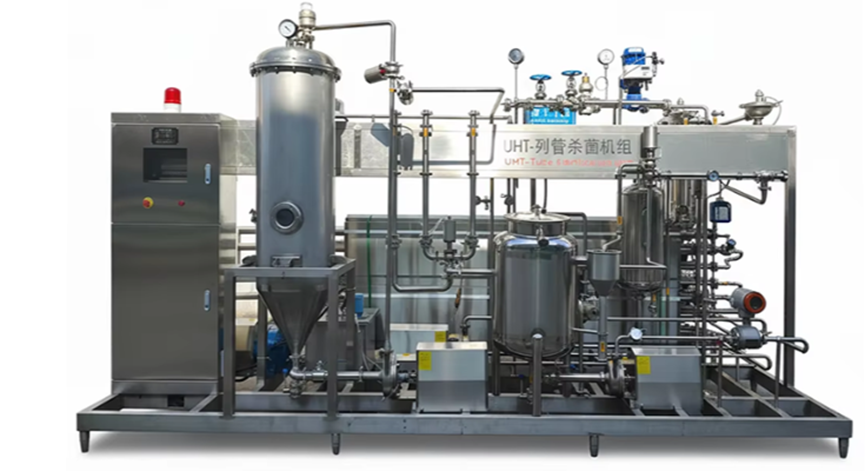
The pasteurization system is equipped with safety interlock devices and a cleaning – in-place reprocessing (CIP) system. The failure of these systems can lead to unexpected shutdowns and increase the risk of contamination.
Safety Interlock Trips
Unplanned activation of the interlock device is usually caused by some minor issues: low product level, temperature deviation, or malfunction of the sensor signal.
Remedial measures: Check and reset the product level sensor; Calibrate the temperature/pressure sensor to eliminate erroneous signals; Check for loose connections or water damage in the interlock circuit.
Tip: Record the activation status of all interlock devices to identify recurring triggering factors and determine the root cause.
CIP System Failures
The CIP system fails, such as low cleaning fluid flow rate, low chemical agent concentration, or clogged nozzles. This will cause solid substances and bacteria residues to remain in difficult-to-clean areas, leading to the accumulation of dirt and the gradual intensification of cross-contamination.
Remedial measures: Clean or replace the clogged CIP spray balls; Calibrate the chemical dosing pump to ensure the accuracy of the cleaning solution concentration; Check for leakage in the CIP pipeline to determine if the flow rate is reduced.
Tip: For HTST pasteurization equipment with smaller pipe diameters, if the fluid pressure is insufficient, it is particularly prone to problems related to cyclic cleaning, resulting in equipment fouling.
Preventive Maintenance for Malfunction Reduction
Fault detection is crucial, but preventive maintenance is the best way to reduce faults in HTST and UHT systems.
Daily inspections: temperature/pressure checks, filter inspections, and CIP system functionality tests.
Weekly maintenance tasks: cleaning of heat exchanger plates, sensor calibration, and pressure checks of homogenizers.
Monthly services: pump seal/impeller checks, valve calibration, and confirmation of re-mapping of cold spots.
Annual overhaul: calibration of the entire system, replacement of worn parts, and fluid dynamics testing of fixed pipes.
Additional measures specific to dairy products: schedule maintenance work during periods of low production; use food-grade lubricants for all moving parts to prevent product contamination.
Conclusion
Identifying and troubleshooting faults in HTST pasteurization and UHT systems is a complex task that combines rapid problem-solving skills with dairy processing expertise. Each repair measure is closely related to the core goals of food safety and product quality. From temperature deviations and cold spots to inconsistent flow and quality defects, the most common problems in HTST pasteurization equipment and UHT pasteurization equipment have clear causes. Proactive maintenance tailored to the unique processing needs of the dairy industry is the ultimate guarantee against faults, transforming passive fault detection into active system maintenance, thus ensuring smooth production. JIANGBO‘s profound expertise in HTST and UHT processing systems provides customized fault detection guidance and equipment specifically designed for dairy processing, which can minimize fault occurrences and improve the equipment availability of dairy manufacturers. If you are facing frequent system failures, need to optimize the preventive maintenance plan, or need to upgrade to more reliable pasteurization equipment, please contact JIANGBO‘s team, who can provide dairy solutions tailored to your production needs.
FAQs
What is the most common cause of temperature deviation in the ultra-high temperature pasteurization equipment?
The main reason is the dirtiness of the heat exchanger. This is because the accumulation of solid substances in the milk reduces the heat transfer efficiency and causes uneven heating. Regular cleaning and daily temperature checks are the best ways to prevent this problem.
How to solve the problem of cold spots in the heating tubes of the high-temperature instantaneous sterilization processing system?
First, reposition the cold spot location through fluid dynamics testing; then remove the blockages in the pipeline and adjust the flow guide plates to ensure uniform product distribution.
Why does my high-temperature short-time pasteurization system have a problem of inconsistent flow?
Inconsistent flow is almost always caused by the wear of the pump components or the blockage of the flow meter. As long as the worn impellers/seals are replaced and the flow meter is calibrated, the precise flow required to meet the 15-second holding time requirement can be restored.
What preventive maintenance measures can reduce the dairy product quality defects caused by the failure of the pasteurization equipment?
The combination of weekly cleaning of the heat exchanger, monthly calibration of the homogenizer, and daily temperature and pressure checks is the key.