Introduction
In the industrial manufacturing sector, particularly in food processing plants and specialty chemical production, liquid evaporation is a crucial step in the production process. However, the product losses that occur during this stage can affect the quality of the final product. Whether it is refining heat-sensitive food liquids or high-value specialty solutions, mastering the techniques to reduce losses during the evaporation and concentration processes is of utmost importance. This guide elaborates on the key mechanisms behind product losses and the feasible strategies for protecting production output.
Product Loss Mechanisms in Evaporation
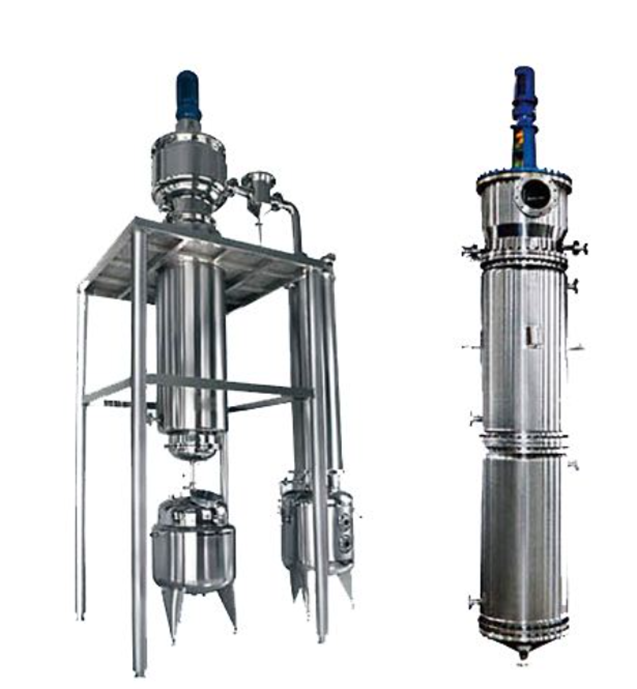
Before addressing the issue of product loss, the root cause must first be identified. The main mechanisms include three core issues:
Crosstalk contamination/steam migration: Volatile analytes or product compounds will evaporate along with the solvent and migrate to adjacent processing areas. This leads to product loss and batch contamination.
Vaporization and entrainment phenomena: Stirring or rapid vaporization generates foam, which carries the liquid product into the steam flow and subsequently these liquids are lost in the condensation or exhaust system.
Surface adhesion and residue accumulation: The product adheres to heat transfer surfaces or dead corners of equipment, forming difficult-to-remove residues. These residues are left on the equipment during cleaning processes or subsequent operations.
Each mechanism thrives in unoptimized evaporation and concentration systems, making targeted intervention essential for yield protection.
Process Control Strategies for Loss Prevention
Precise process control is the first line of defense against product loss.
Optimize gas flow rate and temperature: During the evaporation process, start with a lower gas flow rate. At the same time, maintain a stable gas-liquid distance to minimize steam vortex and interference. This is consistent with the best practice for preventing sample contamination in analytical evaporation workflows.
Adjust vacuum level and pressure: For industrial concentration of heat-sensitive liquids, precisely control the vacuum level to keep the processing temperature low. At the same time, ensure a stable gas-liquid separation process, which can reduce the risk of accidental evaporation of volatile product components.
Control container overfilling: When using multi-chamber equipment for batch processing, keep the filling volume of the processing container at 75% or less of the maximum capacity. This can reduce liquid splashing, capillary action, and liquid transfer between different areas. For high-concentration liquids, this can reduce cross-interference-induced losses by up to 40%.
Equipment Optimization for Loss Reduction
Applying the appropriate design of liquid concentration equipment can effectively reduce product loss.
Enhance the vapor-liquid separation function: Add condenser gaskets, cyclone separators or baffle systems to the evaporator to capture the liquid droplets carried in the steam flow and return the lost products to the processing cycle, thereby increasing the output.
Use mechanical barriers to prevent cross-contamination: For porous tanks or continuous processing lines, special adapters or chimney-type gas flow controllers should be installed. These components can divert the steam away from adjacent processing areas, thus forming a physical barrier to prevent the migration of volatile compounds.
Select low-residue materials: For all surfaces in contact with the materials, food-grade 304/316L stainless steel should be used. Due to its smooth surface, it can effectively reduce loss from surface fouling in evaporation and concentration operations
Material Handling Best Practices
Even the most advanced equipment, without meticulous operation of the material flow, will result in product loss.
Adjust the feed rate according to the evaporation capacity: Avoid excessive feeding to prevent overflow, foaming and undesirable gas-liquid separation phenomena. A variable-speed feed pump should be selected to maintain a stable and controllable feed flow.
Strategically add defoaming agents: For liquids prone to foaming, use food-grade, low-dose defoamers to eliminate the foam. This can reduce the loss of entrained bubbles and does not affect the final product quality.
Reduce transfer steps: Reduce the number of pumps, hoses and valves in the processing line, as each transfer point increases the possibility of product adhesion and residual material loss. For industrial evaporation processes, a closed-loop material handling system should be adopted to ensure that the product is completely enclosed.
Cleaning & Maintenance to Cut Residue Loss
The accumulation of residues on the surface of the heat exchanger and in the dead corners of the equipment can quietly lead to product loss. However, taking proactive cleaning and maintenance measures can solve this problem.
Implement an automated CIP protocol: Use a cleaning-in-place (CIP) system with high flow, low pressure cleaning cycles and food-grade cleaning agents. The automated CIP ensures consistent cleaning of hard-to-reach areas and removes residues before they harden.
Conduct regular surface inspections and polishing: For liquid concentration equipment, inspect the heat exchange surface weekly and polish the prone-to-clogging areas monthly. Choosing a smooth surface can reduce product adhesion and maintain efficient heat transfer.
Clear the dead corners: During routine maintenance, seal or modify the dead corners of the equipment. Because these dead corners may cause product accumulation and form residues. This step can reduce residual losses in the continuous production line by up to 25%.
High-Value Liquid Application Considerations

High-value liquids require additional protective measures because even a small loss can result in significant economic losses.
Evaporators with shorter residence times should be preferred to reduce the contact between the product and the heat source as well as the equipment surface, thereby minimizing adhesion and volatilization losses.
Batch processing should be carried out using dedicated equipment to avoid cross-contamination and reduce the accumulation of residues caused by product changes.
A real-time production monitoring system should be implemented to track the loss of products during evaporation and concentration processes. If the loss rate exceeds the acceptable range, the parameters can be adjusted immediately.
Conclusion
Reducing product loss during liquid evaporation is a comprehensive task. This is because it encompasses aspects such as process control, equipment optimization, material handling, and preventive maintenance. These are crucial for protecting production output and maintaining profitability in industrial concentration and evaporation operations, especially for Food Processing Plants and high-value liquid manufacturers. The key to success lies in addressing the root causes of loss: steam migration, entrainment, and residue accumulation. Every small adjustment over time leads to significant increases in production. JIANGBO‘s expertise in customizing evaporation and concentration solutions ensures that these strategies can be translated into practical designs, thereby reducing loss while maintaining process efficiency and product quality. If you want to review your current evaporation process, reduce product loss, or design a customized system for high-value or heat-sensitive liquids, please contact JIANGBO‘s team. We believe you will definitely receive professional consultation and a solution that meets your unique production needs.
FAQs
What is the most common cause of product loss in industrial evaporation and concentration systems?
The most common causes are steam migration and carry-over. Due to low separation efficiency or unoptimized gas flow, volatile product compounds or droplets will be carried away along with the steam flow.
How can food processing plants reduce product loss when evaporating heat-sensitive liquids?
Food processing plants can adopt low-temperature vacuum industrial evaporation technology, install dehumidifier pads to capture the carried-over liquids, and implement slow and controllable gas flow rates. These measures can minimize the loss of volatile flavor substances and foam phenomena to the greatest extent.
Can mechanical barriers really effectively reduce cross-talk in multi-chamber liquid-phase concentration equipment?
The answer is yes. Mechanical barriers such as chimney-type gas flow controllers or dedicated adapters can separate the processing area and guide the steam away from adjacent chambers, thereby significantly reducing product loss related to cross-talk.
In the evaporation and concentration process, which step has the greatest impact on reducing the loss of residues?
The most influential step is the automated cleaning program with regular surface polishing. This can eliminate the accumulation of residues on the heat exchange surface, which is the main cause of adhesion-related losses.